
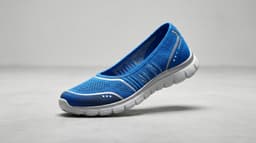

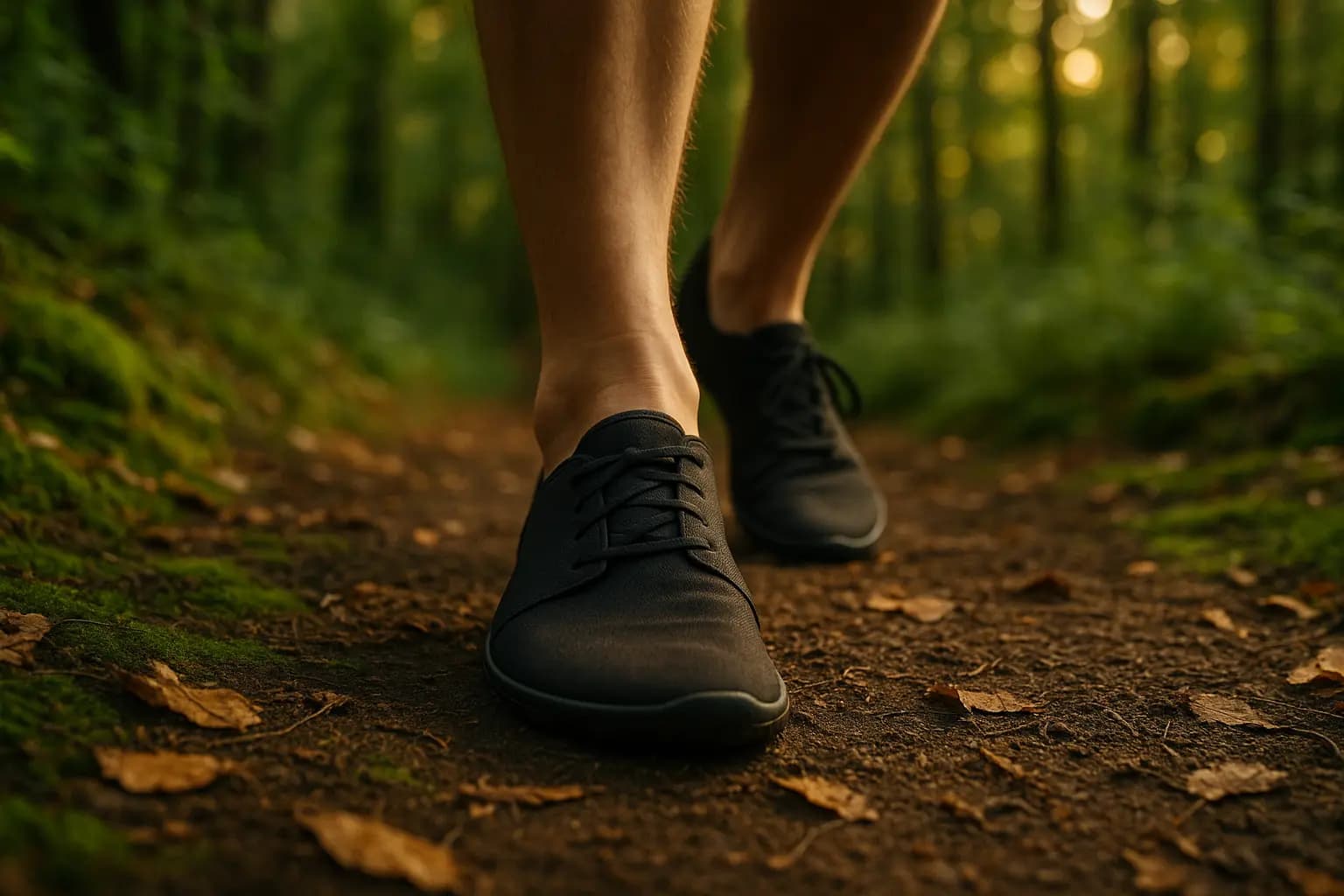
Barefoot Shoes: Foot Freedom and Natural Movement
With their thin sole and zero drop, barefoot shoes give the foot back its natural freedom. They strengthen muscles, improve balance and reduce the risk of injury. Models like the Calver 2 (6 mm sole) make for a gradual transition toward this back-to-nature way of moving.
Barefoot shoes redefine your relationship with walking — but how do you choose from the models out there? Minimalist, zero drop shoes promise natural movement, yet adopting them raises questions about the transition, the real benefits and how they fit each foot shape. This approach, blending foot freedom and natural posture, hides practical issues that are often underestimated. Discover how these shoes transform your gait, which technical criteria to prioritise — like UrbanGrip outsoles for city surfaces or MountainGrip lugs for rough terrain — and the mistakes to avoid for a successful transition, combining scientific data and expert advice.
What is a barefoot shoe?
Definition: walking as if barefoot
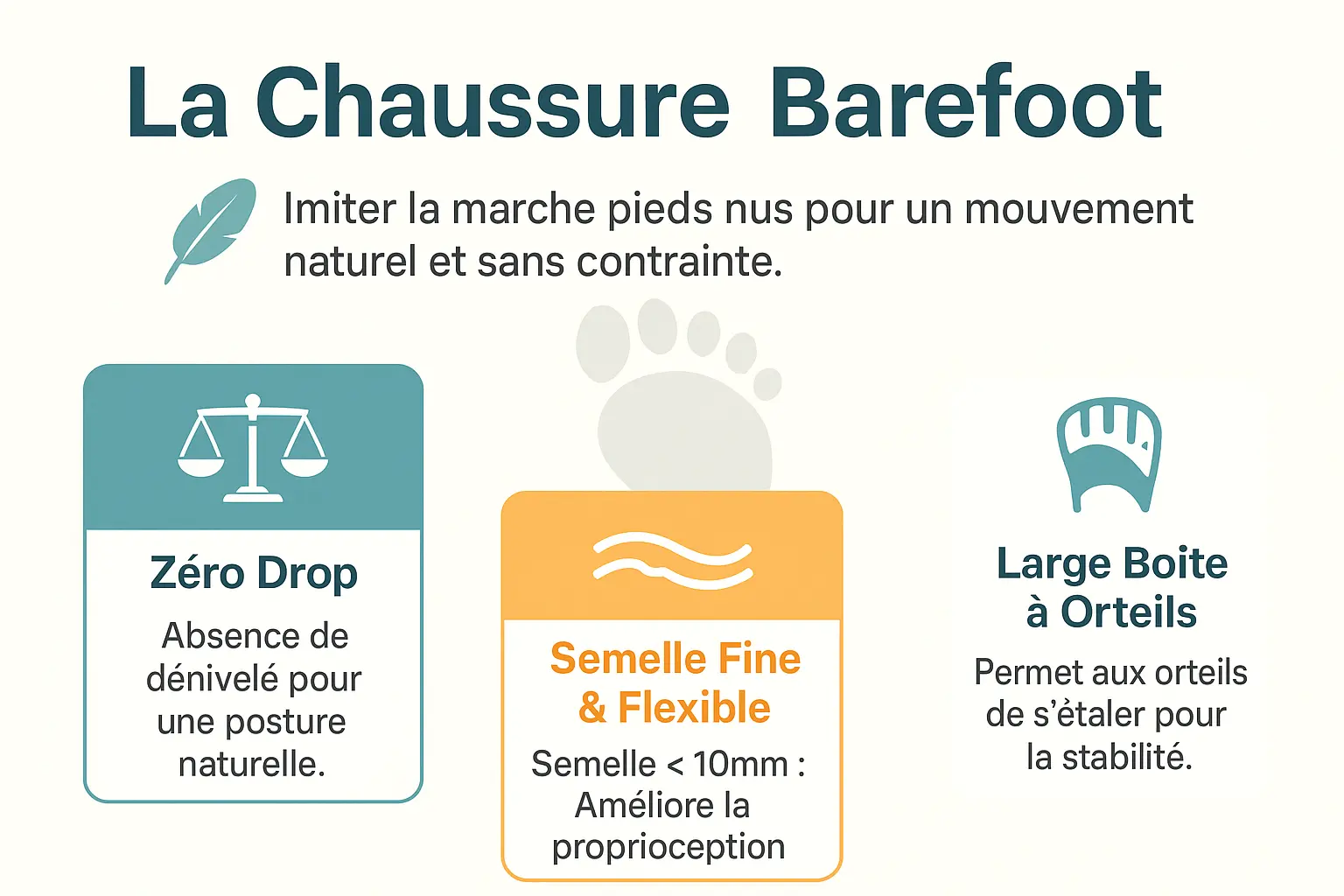
Barefoot shoes, also called minimalist shoes, reproduce the feeling of walking barefoot. Their goal is to free up the foot's natural movement while still protecting it. Unlike conventional models, they impose no artificial constraints, encouraging the muscles and joints to work naturally.
The core features of a minimalist shoe
To qualify as barefoot, a shoe must meet precise technical criteria. These elements guarantee optimal use and real benefits for posture and biomechanics.
- The "zero drop": No height difference between the heel and the forefoot. This allows an even distribution of body weight, encouraging natural posture and correct body alignment.
- The thin, ultra-flexible sole: At 3 to 6 mm thick, the sole hugs the contours of the ground. Many experts, such as those who define it this way, see this thinness as essential to strengthen proprioception — the foot's perception of the terrain.
- The wide toe box: The front of the shoe is widened so the toes can spread freely. This freedom improves stability and stimulates the foot's muscle development, reducing the risk of deformities.
Each criterion works in synergy to optimise movement. The zero drop engages the deep muscles, the thin sole activates the sensory receptors, and the room for the toes stabilises your stance. Together these features turn walking or running into a return to the foot's biological fundamentals.
| Feature | Conventional shoe | Barefoot shoe |
|---|---|---|
| Drop (heel-to-toe height) | Positive (raised heel) | Zero drop (flat) |
| Toe room | Narrow, compresses the toes | Wide, lets the toes spread |
| Sole flexibility | Stiff, limits movement | Very flexible, full freedom of movement |
| Ground feel (proprioception) | Low, thick cushioned sole | High, thin sole |
| Arch support | Artificial, can weaken the muscles | None, encourages the foot to strengthen naturally |
Why choose barefoot shoes? The benefits for your body
The contrast with traditional shoes
Traditional shoes, built with raised heels and rigid structures, disrupt the foot's natural biomechanics. This design often forces a heel strike when running, increasing the shock transmitted to the knees and back. Thick soles limit sensory feedback, reducing the body's ability to adapt to uneven terrain. Barefoot models, by contrast, encourage a natural gait by letting the foot adapt freely.
The benefits for health and posture
Barefoot shoes strengthen the muscles of the feet and calves. By promoting natural work, they improve stability and balance. Proprioception — the ability to sense the position of the body — is sharpened thanks to the thin sole that transmits the textures of the ground.
"Minimalist shoes aren't just designed to help you run better, but to move better. They give the foot back its original freedom and strength."
A study in Clinical Biomechanics found that after six months of wear, minimalist shoes increase the muscle volume of the feet (8.80%) and legs (7.05%). This development reduces the risk of injuries linked to muscle weakness. These muscle gains particularly strengthen critical areas such as the abductor hallucis, essential for a stable stance.
Thanks to their drop-free design, barefoot models align the body naturally. Unlike traditional shoes with raised heels, they limit postural compensations at the knees, hips and back. This balanced weight distribution reduces joint strain, preventing chronic pain linked to a poor distribution of forces.
Studies show that these shoes strengthen the foot muscles, improving cushioning and adaptation to varied terrain. Wide toe boxes provide a stable base, similar to spreading your fingers for dynamic balance. This design is especially useful on unstable surfaces like gravel or wet grass, where stability is crucial.
How to choose your first pair of barefoot shoes
Choose according to your foot shape
Your foot shape guides the choice of barefoot shoe. For wide feet, go for models like the Freet Feldom 2, which offer a generous toe box. Thick insteps find a good compromise with adjustable uppers, while thin insteps fit better with snugger uppers.
Sizing tip:
- Measure your feet at the end of the day (they swell naturally)
- Add 0.8 to 1.2 cm of margin for expansion
- Check each brand's specific size guides
- A precise fit prevents pain and deformities
Foot shapes (Egyptian, Greek, square) also influence comfort. An Egyptian foot, with a longer big toe, needs an elongated front. A Greek foot, marked by a protruding second toe, requires an even spread of pressure. Measure your feet at the end of the day, add 0.8 to 1.2 cm of margin to allow for expansion, and check the brands' guides to avoid unpleasant surprises. A precise fit prevents pain and deformities in the long run.
The different types of barefoot shoes for each use
For everyday wear, the Freet Skeeby or the Be Lenka Synergy combine light weight and a thin sole (3-6 mm) for natural contact with the ground. For sport, match the model to your activity:
Freet Skeeby
UrbanGrip outsole + breathable FlyKnit BottleYarn upper, ReBound insole for energy return
Freet Feldom 2
4mm HillGrip lugs for gravel/dirt, tough and airy BottleYarn mesh upper
Freet Calver 2
6mm MountainGrip lugs for steep slopes/muddy ground, protective TPU structure
Be Lenka
Optimal ventilation, adjustable strap system for varied movement
- For road running: The Freet Skeeby, with an UrbanGrip outsole for optimal grip on asphalt and a breathable FlyKnit BottleYarn upper. Its ReBound insole optimises energy return.
- For trails: The Freet Feldom 2, fitted with 4 mm HillGrip lugs to grip gravel or dry soil. The BottleYarn mesh upper resists abrasion while ensuring constant airflow.
- For extreme terrain: The Freet Calver 2, built for steep slopes and muddy ground thanks to 6 mm MountainGrip lugs. Its TPU structure protects without intrusive stiffness.
For summer, Be Lenka sandals combine ventilation and freedom. Their adjustable strap system adapts to varied movement. In winter, the Be Lenka ArcticEdge or Bliss models, in merino wool or water-repellent leather, keep the warmth in without altering the zero drop. A gradual transition, alternating with conventional shoes, lets your feet adapt gently to this type of design.
The transition guide: how to start walking in barefoot shoes
Why a gradual adaptation matters
Switching from conventional shoes to barefoot models profoundly changes your stance and posture. A transition that is too fast can cause tendinitis or muscle pain: the tissues need to adapt gradually. Unlike traditional shoes with cushioning and structural support, minimalist models call on the muscles of the feet, calves and thighs much more, which requires time to acclimatise.
The transition to minimalism is a marathon, not a sprint. It's crucial to listen to your body and give it time to readapt gently.
As users point out on Wired, some take several months to adjust. This timeframe reflects the need to retrain your gait and strengthen the muscle structures. Feet, often weakened by years of rigid encasement, have to relearn how to adapt to natural movement, and that takes time.
Warning: Signs of a transition that is too fast
- Sharp pain around the Achilles tendon
- Tendinitis in the foot or ankle
- Excessive muscle fatigue in the calves
- Intense soreness lasting more than 48h
If you feel these symptoms, reduce your wear time immediately and go back to gradual use.
Your action plan for a successful transition
To avoid injuries, follow these steps:
-
Start at home: Wear your barefoot shoes 30 to 60 minutes a day on tiled floors. Add simple exercises like picking up objects with your toes or massaging the sole of your foot with a tennis ball. These activities stimulate proprioception and strengthen the muscles.
-
Ease into the outdoors: Walk 15 to 20 minutes on grass or soil. Natural terrain sharpens proprioception, key to avoiding injury. Favour varied surfaces (sand, gravel) to diversify the demands on your muscles.
-
Increase gradually: Try tarmac or pavement, alternating with your usual shoes. Soreness is normal, but sharp pain calls for a break. Leave 3 to 5 days between each increase in wear time.
-
Stay tuned to how you feel: Passing discomfort is expected, but persistent pain is a warning sign. Add exercises like arch raises or the use of toe spreaders to improve mobility.
Complementary strengthening exercises:
- Picking up objects with your toes (5 min/day)
- Plantar massage with a tennis ball
- Arch raises
- Using toe spreaders (10-15 min/day)
- Walking on varied surfaces (sand, gravel, grass)
These exercises speed up adaptation and strengthen the foot's muscles.
Adapt your gait: research shows that cadence naturally speeds up with minimalist shoes, limiting impact. This shift reduces stress on the joints and encourages a lighter stride. To start, choose intermediate models like the Freet Barefoot range, which combine minimalism and comfort. These shoes, with their soft soles and dynamic footbed, ease the transition without overloading the joints.
Work on your posture: a straight alignment, a slight forward lean and relaxed legs improve efficiency. A successful transition opens the way to a lighter, more natural stride. The benefits extend to joint mobility and proprioception, reducing the risk of injuries linked to repetitive impact.
Barefoot shoes: the answer to a need for natural movement
A return to the essentials for your feet
The barefoot shoe reinvents the relationship between the foot and the ground. Designed to mimic barefoot walking, it strengthens muscles, tendons and bones while limiting outside aggressions. Its thin sole (3 to 10 mm), its zero drop and its wide forefoot encourage natural biomechanics, letting the toes spread and adapt to surfaces.
Adopting these models requires a gradual transition. Alternate them with your usual shoes to let your feet adjust. Studies show that this phase can strengthen foot muscle volume by 8.80%, reducing the risk of injury. Listen to your body: patience is the key to avoiding overload and pain.
Choosing a barefoot shoe means investing in the health of your feet and your overall balance. Every step then becomes an act of well-being, combining the natural and the protective.
Barefoot shoes mimic the natural movement of the feet. With zero drop, an ultra-flexible sole and a wide toe box, they strengthen the feet, improve posture and help prevent injuries. A gradual transition is essential to protect their lasting health.
FAQ
What defines a barefoot shoe?
What defines a barefoot shoe?
A barefoot shoe is defined by three essential criteria: a zero drop (no height difference between heel and forefoot), a thin and flexible sole of 3 to 6 mm that boosts proprioception, and a wide toe box that lets the toes spread out naturally. Together these features reproduce the feeling of walking barefoot while still protecting the foot.
What are the proven benefits of barefoot shoes?
What are the proven benefits of barefoot shoes?
Scientific studies show that after six months of regular wear, barefoot shoes increase foot muscle volume by 8.80% and leg muscle volume by 7.05%. They improve proprioception, build stability and encourage natural body alignment. The zero drop reduces joint strain and helps prevent the chronic pain linked to poor posture.
How long does it take to adapt to barefoot shoes?
How long does it take to adapt to barefoot shoes?
The transition to barefoot shoes takes several weeks to several months depending on the individual. Start with 30-60 minutes a day at home, then move outdoors onto natural surfaces (grass, soil). Increase wear time by 10-15% per week at most. Leave 3-5 days between each increase to allow your muscles to adapt.
How do I choose my first barefoot model for my activity?
How do I choose my first barefoot model for my activity?
For road running, go for models like the Freet Skeeby with its UrbanGrip outsole. For trails and paths, choose the Freet Feldom 2 with its 4mm HillGrip lugs. For extreme terrain, the Freet Calver 2 offers 6mm MountainGrip lugs. Measure your feet at the end of the day and add 0.8-1.2 cm of margin. Factor in your foot shape (Egyptian, Greek, square).
What mistakes should I avoid during the barefoot transition?
What mistakes should I avoid during the barefoot transition?
Never switch to barefoot shoes abruptly without an adaptation period. Avoid running on hard roads right away. Don't ignore sharp pain (different from normal soreness). Don't underestimate the time needed to retrain your gait. Alternate with your usual shoes at first. Add strengthening exercises (picking up objects with your toes, plantar massage with a tennis ball).

Loading...