

Comfortable Wedding Shoes: Where Elegance Meets Comfort
Choosing your wedding shoes calls for a healthy balance between elegance and comfort, since a heel of about 3 inches (7.5 cm) max or a block-heel style guarantees stability and well-being for walking, dancing, and fully enjoying the big day. 87% of brides change shoes during the reception and 62% suffer sore feet. Breaking in your shoes ahead of time and choosing soft materials or alternatives like flats ensures a pain-free experience.
Hunting for wedding shoes that pair elegance with comfort can become a real headache: sore feet, choosing the material, matching the dress… On the big day, every detail counts. This article guides you to the ideal pair, exploring styles (pointed toe, peep-toe, or Mary Janes), heel heights (3 inches / 7.5 cm max recommended), and materials (satin, soft leather, or sequins). Find out how to avoid nasty surprises, break in your shoes ahead of time with gel insoles or at-home tricks, and even opt for modern alternatives like flats, sparkly sneakers, or espadrille wedges, all without sacrificing comfort or style.
The wedding pump: the perfect blend of elegance and comfort
Choosing your wedding shoes is about far more than style. It's the assurance of being able to walk down the aisle, dance until the early hours, and savor every moment.
With 87% of brides changing shoes during the reception, how do you reconcile the sparkle of a dream pair with the comfort to last all day? Striking this balance is possible.
Wedding shoes are no longer mere accessories. They're strategic allies for a flawless day. According to a 2024 survey, 62% of brides suffer sore feet on the big day. It is crucial to plan this choice from the early months of preparation.
Behind every ideal pair lies a subtle balance between style and practicality. Stilettos for seasoned wearers, wedges for added stability: the challenge is to harmonize silhouette and well-being. Designs like the Anna Rose Melba by Bobbies ($162 instead of $270) illustrate this synergy.
Picture yourself walking down the aisle without worry, dancing until dawn without slipping off your shoes, savoring every moment without a thought for your feet. This reality is within reach, provided you understand the rules of this decisive choice.
What are the different types of wedding shoes?
The color palette: dare beyond traditional white
Wedding shoes break free from classic codes with metallic tones like silver and gold, ideal for catching the light. Platinum or iridescent champagne versions suit every theme, from vintage to modern. Silver and gold shoes are especially on trend, blending shine and elegance.
Bonnie Iridescent Champagne
Versatile iridescent champagne style, perfect for daytime or evening weddings ($185.50)
Angelina Miami Pink
Bold powder-pink look for original brides without breaking the harmony ($153)
For an original touch, powder pink or pastel blue (tied to the "something blue") appeal to daring brides. These shades go well with light dresses or country-style weddings. 2024 trends favor these options for a personalized look.
Choosing the material: satin, leather, sequins, and lace
The essential materials for your wedding shoes:
- Satin: A must for its flowing elegance, it pairs with long or structured dresses
- Leather: Durable and built for comfort, available in smooth or iridescent, ideal for dancing without discomfort
- Lace: Romantic, it harmonizes with the dress's patterns for a cohesive look
- Sequins and rhinestones: To shine in the evening, combining glamour and practicality with thick soles
At Bobbies, the Juliette Iridescent Champagne style ($153) showcases the versatility of satin. Patent leather suits urban weddings, like the Anna Beige Latté ($216) or Eileen Milk ($196) models. Styles such as the Bonnie Iced Chocolate ($185.50) or Piper Champagne Gold ($200) by Bobbies blend shimmer and comfort thanks to thick soles.
Styles for every bride: from classic to modern
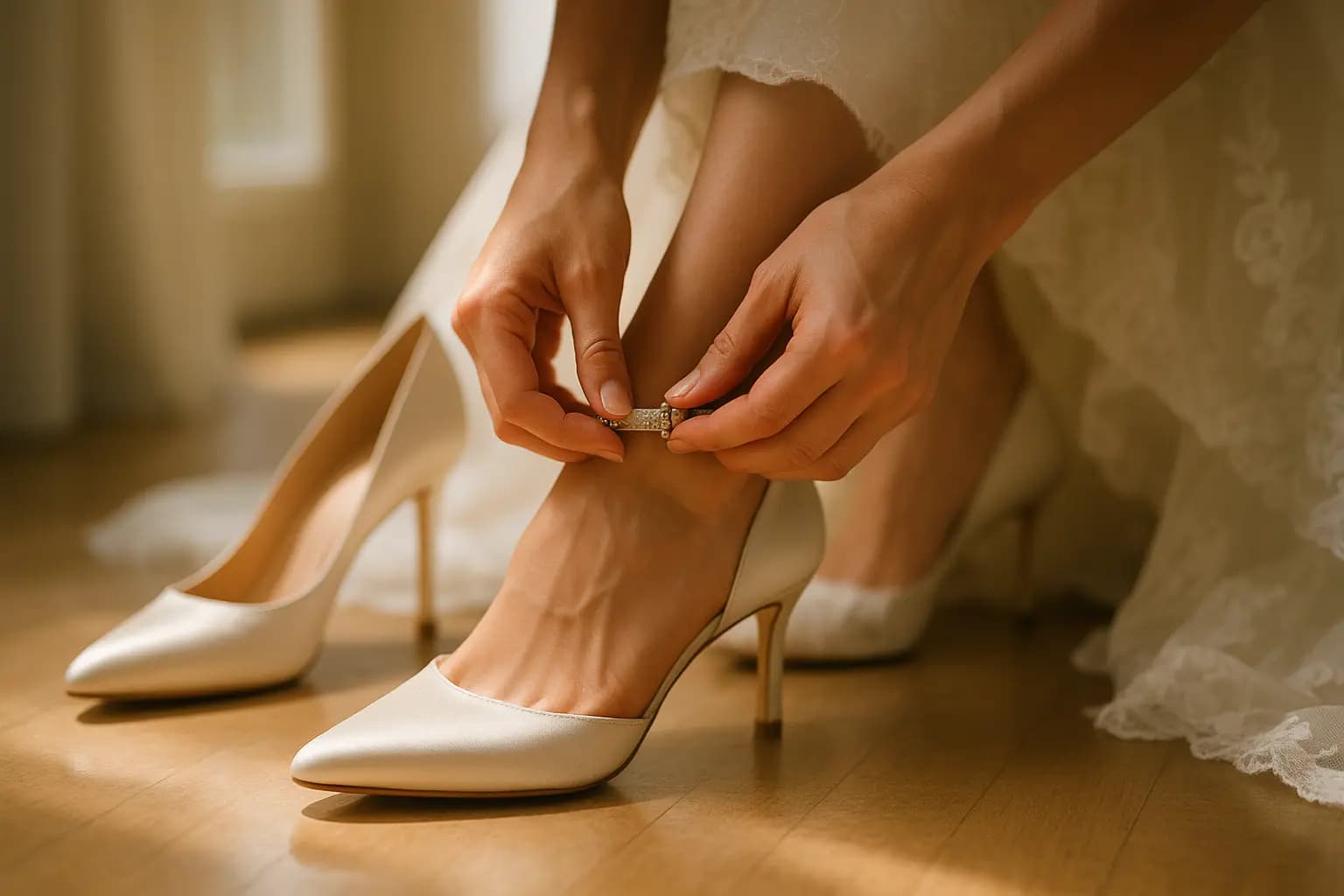
The pointed-toe pump slims the silhouette, perfect with a mermaid dress. For a balance of tradition and practicality, the round toe suits relaxed weddings or cool climates. Peep-toes, popularized by Audrey Hepburn, combine lightness and elegance but call for a careful pedicure.
For added stability, ankle-strap styles or Mary Janes (with a T-strap) deliver optimal support, especially for long dresses. Thick or wedge heels are recommended for long hours, while sneakers like the Bobbies Willow ($200) offer a bold, comfortable alternative, ideal for urban or sporty weddings.
The heel: a decisive factor for your comfort
What heel height for your big day?
The ideal height depends on how used to heels you are. Experienced brides often choose 4-inch (10 cm) styles for their elegance. For most, a height of 3 inches (7.5 cm) max is ideal to balance comfort and style. This height helps avoid the discomfort of prolonged wear.
Practical tip: Opt for a moderate height to guarantee stability. Details like straps or ergonomic soles improve support. The goal is to fully enjoy your day, whether walking, dancing, or posing for photos.
Brands like Bobbies offer suitable collections, such as the Maya pumps or the sequined Holly sandals, available in sizes 35 to 42. Iridescent gold or silver leather styles add a luminous touch without compromising comfort.
Stiletto, block, or wedge: finding the right stability
The heel shape determines your comfort. Here are the key options:
| Heel type | Pros | Cons | Best for |
|---|---|---|---|
| Stiletto | Very elegant, elongates the silhouette | Less stable, can be uncomfortable over time, sinks into grass | Brides used to high heels, indoor ceremonies |
| Block heel (thick) | Very stable, distributes body weight better, comfortable | Less slender than a stiletto | Outdoor weddings, brides who prioritize absolute comfort |
| Wedge | Maximum stability, comfort, ideal for added height without the arch of a classic heel | More casual style, can weigh down the silhouette | Country, bohemian, or beach weddings |
For high-heel lovers, stilettos remain an option, provided you've mastered them. Block heels or wedges offer a modern alternative that pairs stability with elegance.
Occasional wearers will find a sensible balance at 3 inches (7.5 cm). This height limits fatigue without neglecting style. Plan ahead by wearing your shoes a few weeks before the wedding to get used to them.
How to choose the ideal shoe for your dress and body shape?
Matching your shoes to your wedding dress
A long dress calls for understated shoes. Pearls or rhinestones risk damaging the flowing fabric. Favor satin or lace finishes, which blend into the elegance of your dress without snagging its train.
For a short dress, your shoes become a key element. Dare to wear vivid colors (iridescent champagne, powder pink) or shimmering materials. Coordinate them with your accessories (gold jewelry, lace gloves) for an elegant outfit.
Important: Wear your shoes during fittings. This lets you adjust the hem to the exact heel height, preventing the dress from dragging or being stepped on. It also improves freedom of movement for flared dresses.
Solutions for specific needs: wide feet and low heels
For wide feet, soft leather or flared shapes offer optimal room. Elasticated styles or open-back designs ensure immediate comfort. Some brands like Zizzi offer wide widths (E and EEE) without sacrificing style.
Kitten heels (1.2 to 2 inches / 3 to 5 cm) pair elegance with stability. Ideal for outdoor weddings, they make walking on uneven ground easier, for a balance between practicality and aesthetics.
Wide-fit pumps
Stretch materials like taffeta for immediate comfort without pinching
Kitten Heels
Ergonomic soles and wide heels for maximum stability and comfort
By choosing the right shoes, you gain confidence. This protects your dress and preserves your energy to fully enjoy the day.
Preparing your shoes for the big day: the essential steps
The comfort of your wedding shoes should not be left to chance. Wearing your pair at home several weeks before the ceremony is an essential step to avoid blisters and pain. Start with short sessions (20 minutes) and gradually increase to several hours. This practice lets the leather adapt to the shape of your feet.
To soften stiff areas, wear your shoes with thick socks and use a hair dryer on the tight spots. Products such as Shoe-Eze or Bama's Perfect Fit foam also help with softening. A DIY trick is to insert a cloth soaked in 70% rubbing alcohol to relax the material, but be careful not to damage the finish.
Never underestimate the power of planning ahead. Breaking in your wedding shoes before the day is the best-kept secret for a pain-free day and a radiant smile.
For optimal comfort:
- Fit your shoes with gel insoles or cushioning pads
- Scholl GelSoft styles are ideal for absorbing shock
- Use orthopedic insoles for high heels (4 inches / 10 cm and up)
- Plan preventive plasters on sensitive areas
Finally, prepare a plan B: a backup pair (sneakers, flats, or lower heels) for dancing freely. For outdoor weddings, plastic heel stoppers prevent sinking into the grass. By following these steps, you turn your shoes into major allies for an unforgettable day.
Beyond the pump: other options for the big day
For a wedding that blends comfort and elegance, several alternatives to traditional pumps are available to brides, suited to every theme. These often-underrated options let you marry style and practicality for a long event.
Heeled sandals
Leather or block-heel styles for stability at a summer wedding
Wedding flats
Satin or rhinestone versions for an active bride, maximum comfort
Wedding sneakers
Bobbies Willow styles ($200) in satin for dancing without discomfort
Espadrille wedges
2-inch (5 cm) jute sole, ivory or champagne shades for a natural look
- Heeled sandals: Perfect for a summer or seaside wedding. Opt for leather or block-heel styles like the designs by Castañer for added stability. Favor styles suited to your dress.
- Flats or flat shoes: Ideal for an active bride. Choose satin or rhinestone versions like the styles by Rainbow Club (0 to 1.5 inches / 0 to 4 cm in height) for a balance between femininity and comfort.
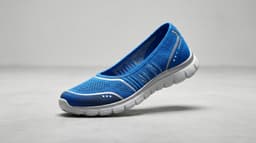
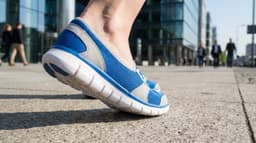
- Sneakers: For a casual style, the satin Converse Custom Chuck Taylor or the Bobbies Willow sneakers offer lightness and originality, ideal for dancing without discomfort.
- Espadrille wedges: A must for a country wedding, with a jute sole (2-inch / 5 cm heel). Favor ivory or champagne shades like the espadrilles by Stuart Weitzman for a natural look.
Prioritize soft materials (satin, leather) and heights suited to your habits. Use pads or anti-pain insoles to avoid discomfort. Trying your shoes ahead of time prevents nasty surprises. The goal? A choice that reflects your personality and ensures all-day comfort while pairing perfectly with your dress and your wedding theme.
Choosing your wedding shoes embodies the balance between elegance and comfort. By combining style, a fit with your dress, and your personality, you guarantee a serene day. Don't forget: planning ahead and modern alternatives (flats, sneakers) pair practicality with refinement. Prioritize what suits you and makes you shine.
FAQ
How do I make wedding heels comfortable enough to wear all day?
How do I make wedding heels comfortable enough to wear all day?
Comfort is key to fully enjoying your big day. It's crucial to build a routine to break in your shoes: wear them at home for short periods, gradually increasing the time, ideally with thick socks to soften them. Use accessories like gel insoles or heel cushions. If needed, products such as Shoe-Eze or Bama's Perfect Fit foam can help relax the material. Finally, plan ahead with blister plasters and plastic heel stoppers for outdoor venues.
What heel height should I choose for a wedding?
What heel height should I choose for a wedding?
The ideal height depends on how used to heels you are. For most brides, a maximum height of around 3 inches (7.5 cm) is recommended for a healthy balance of elegance and stability. High-heel lovers (4 inches / 10 cm) can opt for wedges or block heels, which are more stable. Kitten heels (1.2 to 2 inches / 3 to 5 cm) are a chic, comfortable alternative, ideal for a full day. Outdoors, go for block heels or wedges to avoid sinking into the grass.
Which materials should I pick for wedding shoes?
Which materials should I pick for wedding shoes?
The choice of material affects both style and comfort. Satin remains a benchmark for its elegance, but leather (smooth, patent, or iridescent) offers better comfort and molds to the foot. Lace adds a romantic touch, often echoing the dress, while sequins or rhinestones bring glamour. For wide or sensitive feet, soft leather or stretch materials are preferable.
How do I pair shoes with a long wedding dress?
How do I pair shoes with a long wedding dress?
With a long dress, avoid shoes with raised pearls or rhinestones that could catch on the fabric. Choose understated satin or leather styles, with a pointed or round toe depending on the dress silhouette. A flowing dress pairs well with stiletto pumps, while a structured dress favors round or square toes. If your dress is embellished, pick neutral shoes (ivory, nude) or echo a dominant shade for a cohesive look.
What are the alternatives to classic pumps for a wedding?
What are the alternatives to classic pumps for a wedding?
Modern alternatives blend style and comfort. Wedding flats, embellished with jewels or lace, are the comfort option par excellence. Heeled sandals, ideal for a summer wedding, or white leather sneakers add a touch of originality. Espadrille wedges suit bohemian weddings, while Mary Janes offer extra support.

Loading...