

How to Choose Shoes for Bunions: The Complete Guide
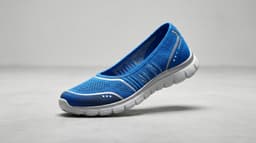
A shoe suited to bunions should offer a wide toe box, a low heel (under 4 cm), soft materials and arch support. These criteria limit pain and prevent worsening, which is often tied to poor footwear (90% of cases). Favor adjustable models (laces, straps) for a personalized fit.
Does bunion pain nag you with every step, and are ill-fitting shoes making things worse? Choosing the right shoe for your bunion is essential to protect your comfort and avoid worsening the deformity. Dive into our complete guide to identify the key technical criteria — optimal width, material softness, arch support — discover recommendations by activity (everyday, sport, work), avoid the mistakes that matter, and learn everything about complementary accessories, with a summary table for quick, informed choices and fitting tips for a perfect match.
Understanding bunions and the impact of shoes
What is a bunion (hallux valgus)?
A bunion, or hallux valgus, is a foot deformity marked by the big toe deviating toward the other toes. This leads to a bony bump forming at the metatarsophalangeal joint. The condition affects about 23% of adults aged 18 to 65, with a female predominance (a ratio that can reach 15:1).
Triggering factors include genetic predisposition, biomechanical imbalances (flat feet, excessive pronation) and the prolonged use of unsuitable shoes. The repeated pressure exerted by narrow or high-heeled models worsens the deformity, as studies on the foot-shoe interaction confirm.
Why is choosing your shoes such a major issue?
Unsuitable shoes don't just cause discomfort. They speed up the progression of a bunion by increasing pressure on the forefoot and disrupting the natural alignment of the big toe. This mechanism explains why 80% of patients consult a podiatrist for footwear-related pain.
The consequences are numerous: recurring inflammation, corns or blisters, and the risk of complications such as arthritis of the MTP joint. Worse, studies show that 35% of people wearing unsuitable shoes develop secondary deformities (claw toes) within 5 years of the bunion appearing.
Warning: 35% of people wearing unsuitable shoes develop secondary deformities (claw toes) within 5 years of the bunion appearing.
The right choice of shoes then becomes a therapeutic necessity. Models that are wide at the forefoot, low-heeled (under 5 cm), with a soft sole and good arch support, can cut the progression of the deformity by 60% according to medical academy recommendations.
The technical criteria for a shoe suited to bunions
Forefoot width and volume: an absolute priority
When you have a bunion, shoe width becomes a decisive criterion. A narrow toe box compresses the bunion and increases pressure on the joint. A shoe with generous volume at the forefoot helps avoid painful friction. Models offering different widths (marked G, H, K) provide a solution for sensitive feet, because they adapt precisely to the shape of the foot.
Makers of specialized footwear often build in this width variability for the same size. This helps avoid the mechanical stress that worsens the deformity. The freedom of movement for the toes reduces the risk of irritation and limits the progression of the condition.
Soft, stretchy materials for pressure-free comfort
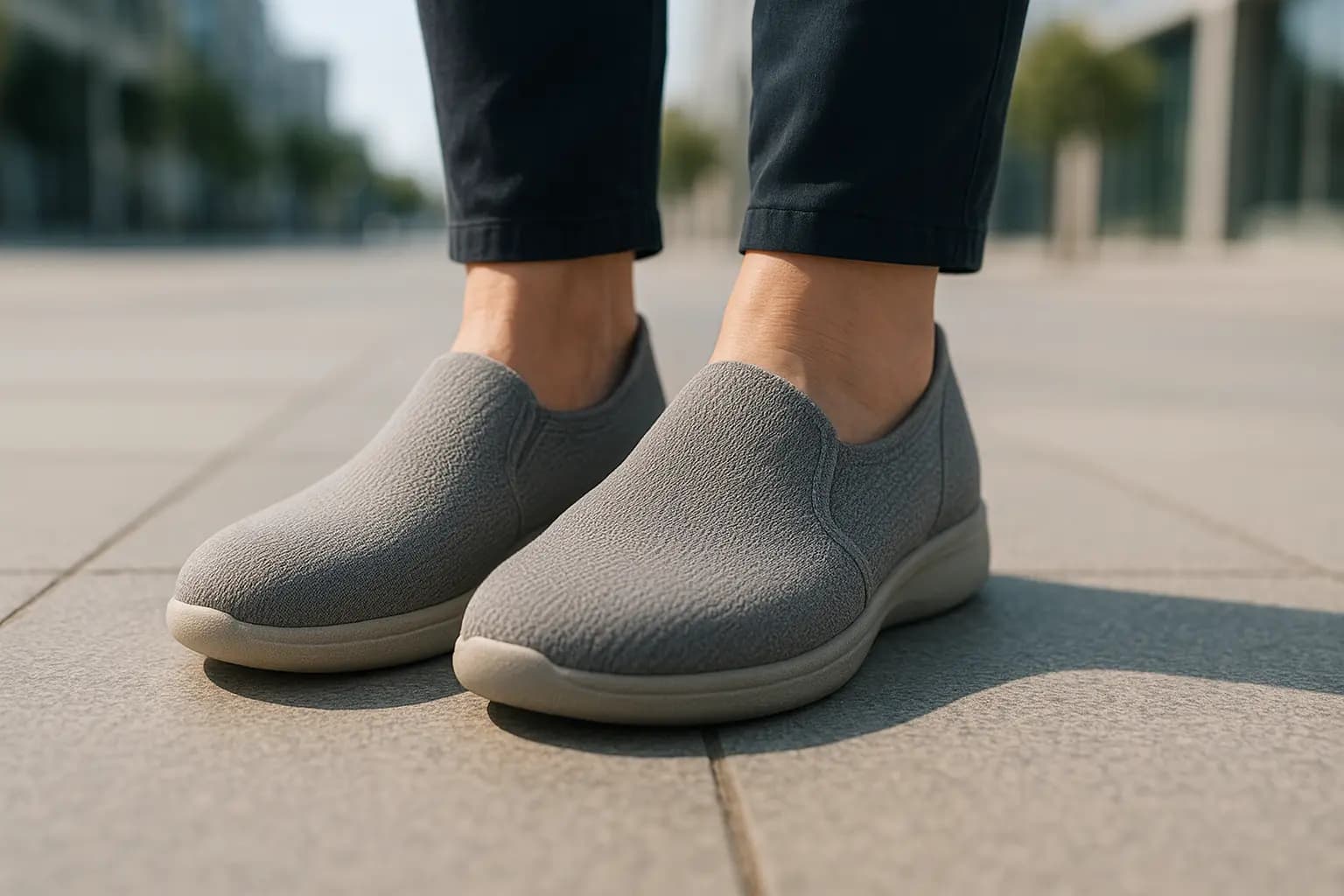
Choosing a soft, stretchy material is crucial. The shoe must adapt to the foot, not the other way around, to avoid any irritation on the sensitive bunion area.
Materials like very supple leather or stretch textiles hug the contours of the foot without creating pressure points. A seamless inner lining at the forefoot prevents repeated friction. These technical features aim to eliminate any source of friction on the bunion's characteristic bump.
Stretchy fabrics, such as calfskin nappa or deerskin, offer optimal flexibility. Their ability to stretch slightly ensures a personalized fit. This material approach, combined with a seamless structure, acts as a shield against everyday irritation.
Sole, heel and support: the winning trio for your foot
To reduce pressure on the big-toe joint, three structural elements must be considered:
- The low heel: A heel under 3-4 cm prevents excessive transfer of body weight to the forefoot. This limits the mechanical deformity and the associated pain.
- Arch support: An ergonomic reinforcement at the arch spreads the load evenly, directly relieving the area affected by the bunion.
- The removable insole: This technical detail allows custom orthotics to be inserted, tailored to specific needs prescribed by a healthcare professional.
These three features work in synergy to stabilize the foot while preserving natural mobility. A moderate heel combined with targeted arch support acts as a mechanical lever to rebalance your gait. The ability to customize the interior remains a major asset for advanced cases.
The shoes to avoid at all costs so you don't make things worse
Styles that compress and deform the foot
- High-heeled shoes: They push 75% of body weight onto the forefoot, intensifying pressure on the big-toe joint. Heels over 5 cm worsen the bunion deformity by altering the biomechanics of the foot and knee.
- Narrow, pointed shoes: Their shape forces the big toe to bend toward the other toes, increasing stress on the MTP joint by up to 10 times. This stress promotes abnormal bone growth and the appearance of the bunion.
- Shoes made of rigid materials: Their lack of flexibility creates painful pressure points. Hard leather or non-stretch uppers prevent the natural expansion of the foot, increasing friction on the deformed area.
- Boots that are too tight: They limit space for the forefoot and compress the bunion.
Prolonged wear of these styles worsens 65% of daily bunion-related pain, according to a 2024 study. The mechanical stress these shoes induce disrupts the natural alignment of the foot, promoting arthritis in advanced cases.
To prevent progression toward hallux rigidus, the priority is to eliminate every source of excessive pressure.
Practical guide: choosing and trying on shoes for bunions
Summary table of the features to look for
| Feature | Favor | Avoid |
|---|---|---|
| Forefoot width | Wide and roomy (round or square toe box) | Narrow and pointed |
| Materials | Soft leather, stretch textile, no internal seams | Rigid leather, plastic, patent finish |
| Heel height | Under 4 cm, flat or wide heel | Stilettos, heels over 4 cm |
| Insole | Soft, with arch support, removable | Thin, flat, non-removable |
| Flexibility | Flexible outsole that bends with the foot | Rigid sole (platform type) |
| Closure system | Laces or straps for a precise fit | Slip-ons with no adjustment |
Our tips for a successful fitting
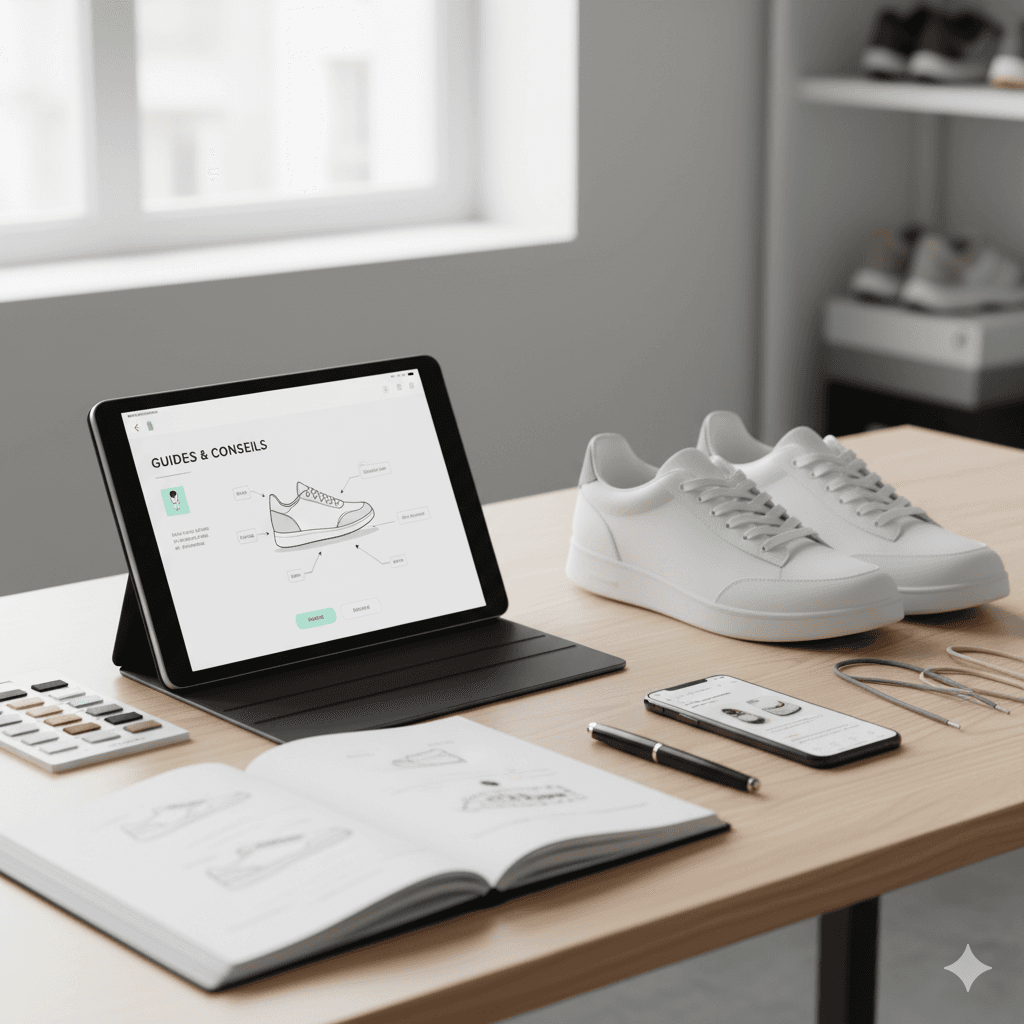
Try shoes on at the end of the day, when your feet are slightly swollen. Wear your usual socks for a realistic fit. Walk a few minutes in the store to test the comfort.
Pro tip: Try your shoes on at the end of the day, when your feet are slightly swollen. Your toes should move freely without pressure on the bunion. Comfort should be immediate — no pressure point should be tolerated.
Your toes should move freely without pressure on the bunion. Check that no seam rubs the sensitive area. The shoe must fit the foot perfectly when standing and during movement.
Favor removable insoles for custom orthotics. Avoid rigid materials. Opt for soft leather, stretch fabric or calfskin nappa that mold to the deformed shape of the foot.
Comfort should be immediate. No pressure point should be tolerated, especially on the inner bump of the foot. Ill-fitting shoes worsen the pain and cause premature wear.
For specific activities, adapt your choices. For walking or sport, prefer good lateral support. For city wear, opt for a wide opening. For work, combine protection and comfort.
Widths H and J are suited to bunions. For marked deformities, choose widths K and M. Ask in-store for models available in different widths.
Which shoe for which activity when you have a bunion?
Everyday: city shoes and loafers
For everyday use, choose models that combine comfort and elegance. Favor a roomy toe box, soft materials (such as stretch leather) and a low heel. Brands like Clarks or Birkenstock often build in these criteria, with suitable widths and arch support. Check that seams don't cause friction. Favor adjustment systems (laces, straps) for a personalized fit, avoiding rigid or narrow models.
Clarks Soft Footsteps
Removable insoles and soft leather for optimal everyday comfort
Birkenstock Arizona Soft
Anatomical footbed spreading pressure evenly
For example, Clarks' Soft Footsteps range offers shoes with removable insoles, while Birkenstock's Arizona Soft model provides an anatomical footbed to better spread pressure.
For sport: sneakers and running shoes
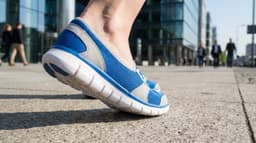
Sports activities demand reinforced cushioning and support. Look for sneakers with a removable insole and multiple width options. Brands like New Balance or Asics offer models suited to sensitive feet, with a widened forefoot zone and flexible materials.
New Balance 1540
ABZORB technology for shock absorption, available in multiple widths
Asics Gel-Nimbus
Built-in flex zones and gel cushioning for maximum comfort
The New Balance 1540, equipped with ABZORB cushioning technology, or the Asics Gel-Nimbus, with built-in flex zones, are benchmarks in this field.
For work and leisure: safety and hiking shoes
Work or hiking shoes must combine sturdiness and space. Opt for a wide protective toe cap, an upper in a soft material (mesh or nubuck) and a non-slip sole. Brands like Skechers or Dansko are suited to long hours on your feet, with extra volume at the forefoot. For hiking, "Comfort Fit" models (such as the Meindl Palermo Gore-Tex) pair a waterproof membrane with a high upper, reducing friction.
Skechers Work Relaxed Fit
Extra volume at the forefoot for long hours on your feet
Meindl Palermo Gore-Tex
Waterproof membrane and high upper reducing friction
Test shoes at the end of the day, when your feet are slightly swollen, and with your usual gear (thick socks) for an optimal fit. A gel pad built into the bunion zone can also limit impact in demanding work environments.
Beyond shoes: complementary solutions and medical advice
Accessories and therapies for all-round relief
Suitable shoes are an essential foundation, but other solutions reinforce comfort and limit the bunion's progression.
- Orthotics: Custom-made, they spread pressure and stabilize the foot. Prescribed by a podiatrist, they are partly reimbursed by health insurance in some countries.
- Silicone protectors: Applied over the bunion, they cushion friction. Reusable, they suit all types of shoes.
- Night splints: Worn while you sleep, they slowly correct the deviation of the big toe. Combined with muscle exercises, they slow the deformity.
- Physical therapy: Targeted exercises strengthen the foot muscles and improve posture. Calf and Achilles-tendon stretches are often recommended.
Effective complementary solutions:
- Custom orthotics (partly reimbursed)
- Reusable silicone protectors
- Night splints for gradual correction
- Physical therapy and targeted muscle exercises
For post-operative cases, specific orthopedic shoes may be necessary, in line with the French National Authority for Health's recommendations.
The essential role of the podiatrist: when to consult?
A professional remains indispensable for effective care. See a podiatrist if the pain persists or if the deformity increases. This specialist:
- Diagnoses the severity of the bunion through a clinical exam and an X-ray.
- Prescribes suitable insoles or custom plantar orthoses.
- Recommends specific shoes with a wide toe box and a low heel.
This article provides essential pointers, but only a podiatrist can make a precise diagnosis and guide you toward personalized, comprehensive care for your bunion.
In cases of advanced deformity, medical advice remains crucial to assess whether surgery is needed. The podiatrist remains your key ally in preserving your mobility over the long term.
For bunions, favor shoes with a wide toe box, in soft leather or stretch textile, with a heel under 4 cm. Avoid stilettos and rigid models. Complement with orthotics or night splints. Consult a podiatrist for a tailored solution. A good fit, tested at the end of the day, preserves comfort and mobility every day.
FAQ
Which shoes are recommended for bunions?
Which shoes are recommended for bunions?
For bunions, favor shoes with a wide, roomy toe box, letting your toes move freely without pressure. Opt for soft materials (very supple leather, stretch textile) and a removable insole so you can fit orthotics if needed. A low heel (under 4 cm) and arch support are essential to spread your body weight evenly. Brands like New Balance, Clarks or Birkenstock offer suitable models, with multiple width options (G, H, K) for a precise fit.
How do I avoid making a bunion worse through my shoe choice?
How do I avoid making a bunion worse through my shoe choice?
To prevent worsening, strictly avoid high heels (over 4 cm), pointed or narrow shoes, and rigid materials. These styles increase pressure on the forefoot and bend the big toe further. Instead, favor shoes with a wide upper and an adjustable closure (laces, straps) for a personalized fit. Trying shoes on at the end of the day, when your feet are slightly swollen, ensures lasting comfort.
Are there natural ways to correct a bunion?
Are there natural ways to correct a bunion?
Non-surgical options can relieve symptoms and slow progression. Foot-strengthening exercises (such as picking up a pen with your toes) improve mobility. Night splints or silicone toe spacers realign the toe while you sleep. Orthotics, prescribed by a podiatrist, redistribute pressure. However, these methods do not remove an existing deformity, especially in advanced stages.
Are bunion correctors effective?
Are bunion correctors effective?
Correctors (splints, pads, spacers) provide symptomatic relief but do not eliminate the bony deformity. Night splints hold the toe in a more natural position, slowing the deviation. Silicone gel pads protect the bony bump from friction. Their effectiveness depends on the stage of the condition: they are most useful for prevention or in the early phase. Medical advice remains essential for appropriate care.
Which shoe brand combines comfort and quality for bunions?
Which shoe brand combines comfort and quality for bunions?
Some specialized brands build in essential technical criteria. New Balance and Asics are popular for their models in multiple widths, ideal for sport. Clarks and Birkenstock combine comfort and style for everyday shoes. Brands like BAR or Ganter offer dedicated ranges, with high uppers and ergonomic soles. Quality also shows in details like the absence of internal seams or a flexible outsole.

Loading...