
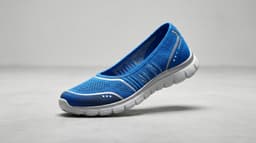

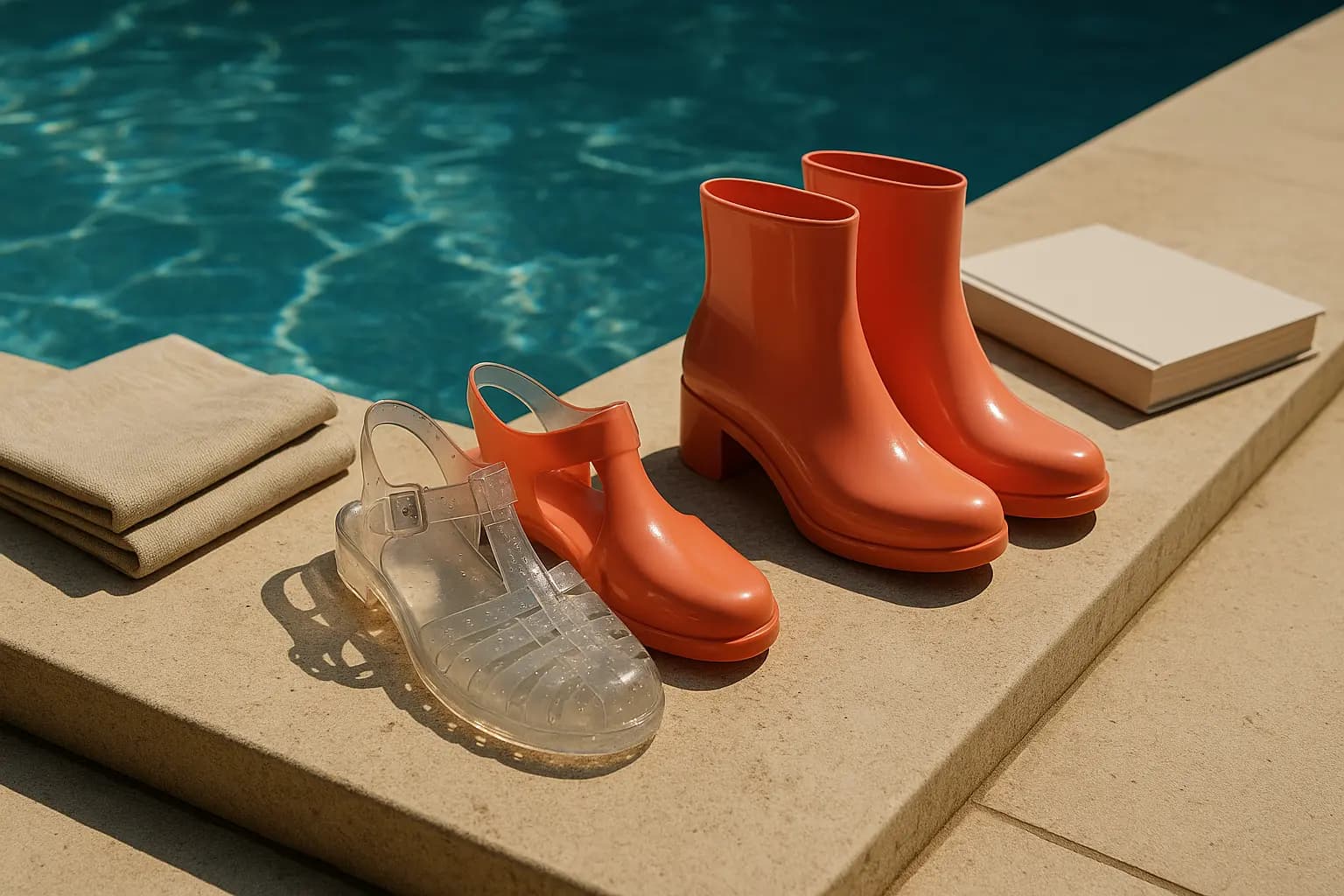
Méduse: From the Beach to a Fashion Icon
Created in 1946 as an alternative to leather, the Méduse jelly shoe embodies French innovation with its recyclable, phthalate-free PVC. Local manufacturing (500,000 pairs a year), durability and varied models – beach styles, urban boots – make it a versatile accessory. A cross-generational symbol, from Hollywood to social media, it has become a cultural phenomenon.
Are you looking for shoes that combine timeless style, exceptional resistance and French manufacturing? Méduse jelly shoes, born in 1946 thanks to the innovation of PVC, blend artisanal heritage and modernity with models for women, men and children. These shoes, available from size 18 to 48, combine 100% recyclable PVC, the absence of phthalates and strict safety standards. A symbol of seasonal versatility, they adapt to the beach, the rain or the city, while also making their mark in popular culture through films like The Big Lebowski or Instagram trends. With 500,000 pairs produced in France each year, Méduse embodies sustainable expertise and a cross-generational style.
The legacy of the Méduse shoe: a French icon
Created in 1946, the Méduse sandal uses PVC to make up for the shortage of leather. First named "La Saraizienne", it stands out for its studded sole, its braided straps and its single-piece plastic block. Taken over by the Humeau-Beaupréau Group, the brand maintains its Made in France expertise, linking tradition and ecology.
A pragmatic birth in the post-war years
Faced with the shortage of leather in 1946, a soft plastic sandal was invented. Practical and light, it first established itself as an everyday accessory before becoming a holiday essential.
The Méduse sandal: an evocative name and worldwide popularity
The name "Méduse" (French for jellyfish) comes from the translucent colour of the first pairs and from the marine animal, evoking lightness and resistance. Widespread in Africa under the name "lêkês" in Côte d'Ivoire or "gluant" in the French Caribbean, it confirms its worldwide renown. Made with 100% recyclable, phthalate-free plastics, it complies with strict standards.
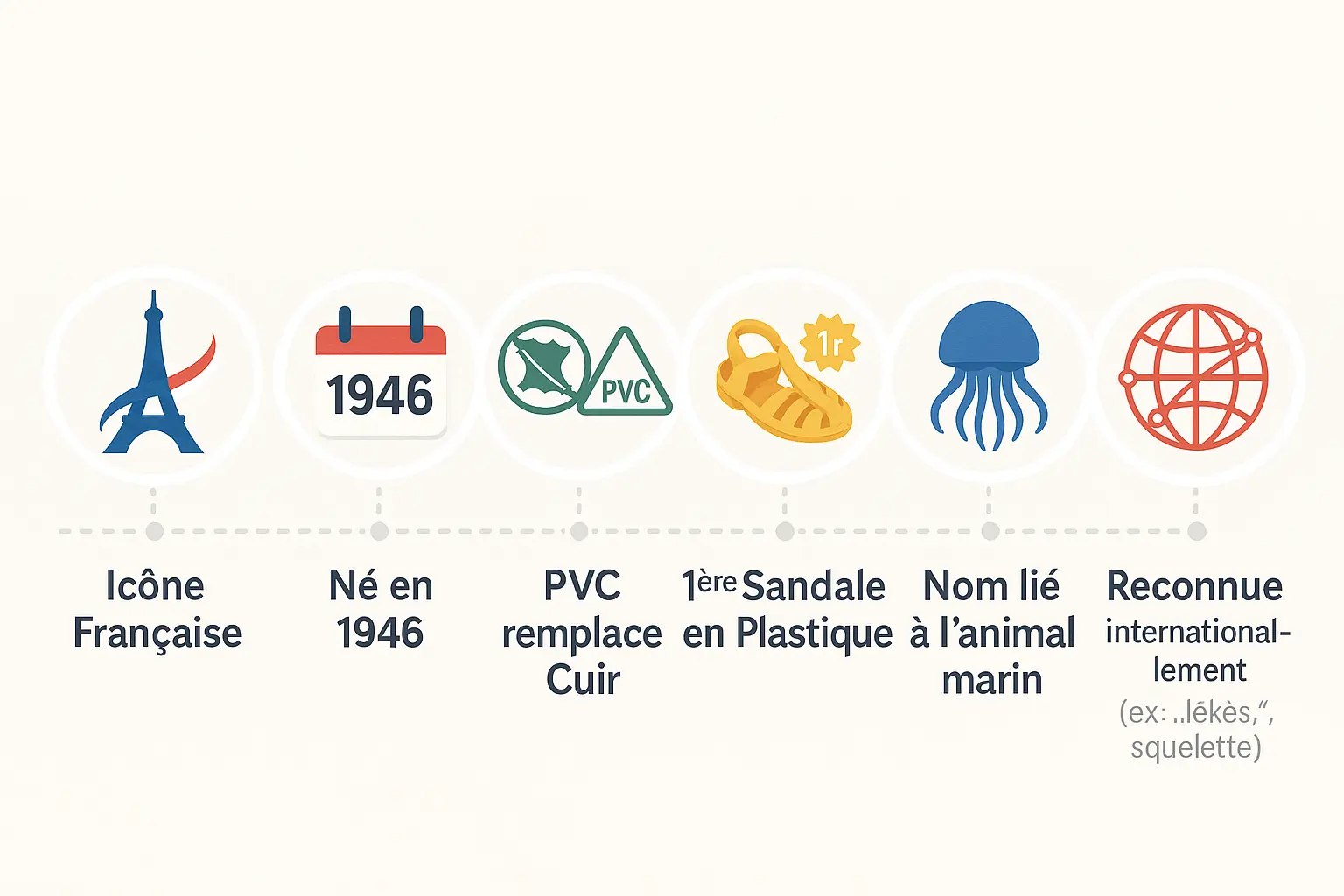
From the beach to fashion trends, the Méduse embodies a heritage protected since the 2000s. Without betraying its authenticity, it adapts to today's expectations.
The evolution and French manufacturing of Méduse
From the iconic model to a diversified range
Created in 1946 to address the leather shortage, the Méduse sandal embodies the French summer. After the post-war boom years, the brand broadened its expertise to women's ankle boots, rain boots for men and children, designed for wet weather and outdoor activities.
The original design, renamed "Sun" in the 2000s, remains a classic. The SUN range is enriched each season with models suited to beach holidays. More recently, Méduse has launched leather sneakers for women and leather sandals for everyone, combining fashion and durability.
The "Made in France" roots and the quality commitment
Méduse shoes are mostly produced in France, notably in the Maine-et-Loire region. The Humeau-Beaupréau group makes around 500,000 pairs a year, blending traditional craftsmanship and innovation. The materials include 100% recyclable, phthalate-free plastics, and LWG-certified leathers.
Committed to the INNOSHOE initiative, the brand co-created the first safety charter for footwear. This certification guarantees products tested according to the strictest chemical standards, with a "Walk safely" label. Méduse also uses hemp in its SUN range, reinforcing its environmental commitment.
Materials and environmental commitment
Plastic: a carefully chosen and mastered raw material
Méduse shoes use exclusively injected PVC made in France. This material offers ecological and practical advantages: it is 100% recyclable, guaranteed free of phthalates, and meets the strictest chemical safety standards.
Environmental commitment: Méduse's commitment to 100% recyclable, phthalate-free materials is a pillar of its sustainable production philosophy.
The plastic used ensures optimal waterproofing, suited to aquatic environments such as beaches or rainy days. Its resistance and lightness make it a sound technical and environmental choice.
Responsible production and recognised expertise
Méduse shoes are produced in Beaupréau-en-Mauges (Maine-et-Loire) using an injected PVC process described here. This location guarantees full traceability of the manufacturing chain.
The brand is committed to the INNOSHOE charter, co-created with other players in the sector, to control chemical risks and ensure the safety of its products. This approach reinforces the brand's credibility, essential for a site like ma-chaussure.fr that champions expertise and reliability.
By combining local manufacturing, strict standards and recyclable materials, Méduse embodies a model of responsible production while preserving its historic expertise.
The different Méduse shoe models and their uses
The iconic sandals: versatility and style
Launched in 1946, Méduse sandals introduced PVC as an alternative to leather. Available for women, men and children, they combine lightness and a clean design. The models for children, often colourful, are designed for summer activities.
Adopted by surfers for their water resistance, they are worn all year round. The iconic SUN model is prized for its practical qualities and its style, even inspiring Instagram influencers or Jeff Bridges in The Big Lebowski. They come in several colours and finishes, from matte to glossy.
Ankle boots and sneakers: the extension of the Méduse range
Sun Sandals
Iconic model for beach and leisure, lightness and optimal waterproofing
Rain Boots
Urban protection against the rain with a contemporary style
Leather Sneakers
A fashion turning point combining urban elegance and French manufacturing
Leather Sandals
An elegant alternative with comfortable soles for everyday use
Méduse also offers waterproof PVC ankle boots and waterproof city boots, suited to urban environments. The leather sneakers for women mark a fashion turning point, while the leather sandals offer an elegant alternative to the classic models with comfortable soles.
Producing 500,000 pairs a year, the brand stays true to its French manufacturing, with recyclable materials and strict standards. Its creations, from size 18 to 48, blend tradition and innovation, reinforcing its cultural and ecological roots. The plastics used are guaranteed phthalate-free, reflecting a responsible commitment.
Choosing and caring for your Méduse shoes: practical tips
Comfort and sizing: finding the right size
Méduse shoes offer comfort suited to different uses, but the feel varies depending on the materials. The PVC models win you over with their suppleness and lightness, ideal for wet environments or summer days. The leather versions provide better support for long walks or more demanding uses.
When it comes to sizing, the brand offers a wide range from size 18 to 48, suited to the whole family. However, many users point out that the models generally run small. If in doubt, go for a size up from your usual fit. The retailers' online guides make choices easier by cross-referencing foot measurements and the brand's recommendations.
Care and durability: extending the life of your Méduse shoes
Designed to last, Méduse shoes withstand the test of time thanks to quality materials. Their manufacturing in phthalate-free, 100% recyclable PVC combines resistance to the elements and an environmental commitment. To preserve this balance between functionality and style, follow these recommendations:
Care tips:
- For PVC models: clean with soapy water and let air dry. Avoid prolonged exposure to heat to preserve the suppleness of the plastic.
- For leather models: apply gentle products to preserve the shine, moisturise regularly and use a waterproofing spray to strengthen protection.
Méduse and popular culture: a timeless phenomenon
From the screen to social media: a noticed presence
Méduse shoes have established themselves as a timeless cultural symbol. Jeff Bridges, in The Big Lebowski, embodies the rebellious spirit while wearing Méduse men's sandals.
Although not officially confirmed, rumours persist about these shoes being worn by Marion Cotillard in her films. Directors at the Sundance festival actively seek out these models, underlining their appeal within the artistic world.
Cultural legacy: From the film icon to Instagram trends, the Méduse sandal transcends generations and styles.
A cross-generational fashion accessory
On Instagram, influencers reinvent the bright colours of Méduse, proving their adaptability to current trends. These shoes, initially associated with holidays, now stand out as a bold choice in the city.
From a simple beach sandal, Méduse becomes an emblem of style and nostalgia. Its ability to evolve – rain boots, leather sneakers – reinforces its status as a timeless reference, blending practicality and aesthetics.
The Méduse shoe embodies a French heritage combining tradition, innovation and environmental commitment. Synonymous with durability and timeless style, it charms with its artisanal expertise and its ability to keep up with trends, from the beach to the runway. A living classic, between cultural roots and bold modernity.
FAQ
What is another name for the Méduse shoe?
What is another name for the Méduse shoe?
The Méduse shoe is also known under different names depending on the region. It may be called 'gluant', 'squelette', 'nouille', 'cricri' or 'mika' in the French Caribbean. In English, it is often referred to as 'jelly shoes'. These names recall its iconic PVC material or its colour reminiscent of the marine animal.
What is the definition of Méduse shoes?
What is the definition of Méduse shoes?
Méduse shoes are PVC or leather models created in 1946 by the company La Saraizienne. Originally designed as an alternative to leather after the Second World War, they include sandals, rain boots, boots and sneakers. Made in France, they use recyclable and non-toxic materials, guaranteeing safety and durability.
Are Méduse shoes comfortable?
Are Méduse shoes comfortable?
The comfort of Méduse shoes varies from model to model. The PVC versions are light and supple, ideal for wet environments or leisure. The leather ones offer better foot support, suited to everyday wear. For an optimal fit, it is crucial to make sure you have the right size, as the brand offers sizes from 18 to 48.
What is the average price of a Méduse model?
What is the average price of a Méduse model?
Méduse shoes sit in an affordable range, with prices generally between 12 and 20 euros. PVC sandals remain the most affordable, while leather models (sneakers, sandals) can reach slightly higher prices, due to the quality of the material and their French manufacturing.
Who is behind Méduse shoes?
Who is behind Méduse shoes?
The Méduse shoe was invented in 1946 by the company La Saraizienne, following the post-war leather shortage. Since 2000, manufacturing has been handled by the Humeau-Beaupréau Group, which brought the historic model back to life under the name 'Sun'. The group is a founding member of INNOSHOE, guaranteeing strict safety standards.
Why is the Méduse shoe called that?
Why is the Méduse shoe called that?
The name 'Méduse' (French for jellyfish) comes from the colour of the first sandals, reminiscent of the marine animal of the same name. This choice also evokes the fluid, adaptive nature of the shoe, which has become a symbol of practicality and style. The range has since grown to include varied colours, while keeping this visual identity rooted in its history.
Which shoe brand is recommended for people with sensitive feet?
Which shoe brand is recommended for people with sensitive feet?
Méduse shoes are not specifically designed for problem feet, but their supple PVC sole can suit certain light uses. For orthopaedic needs, it is crucial to choose specialised brands (such as Geox or MBT) or to consult a podiatrist. Méduse remains an option for summer or water activities, thanks to its waterproofing.
What are sandals designed for water called?
What are sandals designed for water called?
Sandals made for water are commonly called 'beach sandals', 'PVC flip-flops' or 'water shoes'. At Méduse, they are part of the 'Sun' range, designed to resist water thanks to their waterproof material. They are ideal for the beach, the pool or water activities, combining lightness and grip.
How do I choose the right size for Méduse shoes?
How do I choose the right size for Méduse shoes?
Méduse shoes run generously, with models available from size 18 to 48. For the PVC versions, go for a size down if you are unsure. The leather models, being more structured, require a precise fit. It is recommended to check the online size guides and to factor in the use case (with or without socks) for optimal comfort.


Loading...