
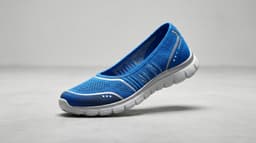

Orthopedic Shoes for Women: Comfort for Sensitive Feet
Orthopedic shoes for women bring together health and style, offering support tailored to sensitive feet while keeping up with fashion trends. They reduce pain, prevent deformities and adapt to every occasion. With brands like Podowell, 80% of users report an improvement in their mobility, proving that you can combine therapeutic comfort with everyday elegance.
Are foot pain and daily discomfort forcing you to give up your favourite shoes? Discover how orthopedic shoes for women reconcile health and style, thanks to models suited to every need. Designed with anatomical insoles and a wide fit, these shoes prevent rubbing, relieve problems like plantar fasciitis or hallux valgus, and adapt to your lifestyle. This guide reveals their technical strengths, their breathable materials, their varied styles (from sporty to chic), and the criteria for choosing the ideal pair — without compromising on comfort or looks.
The essentials of orthopedic shoes for women
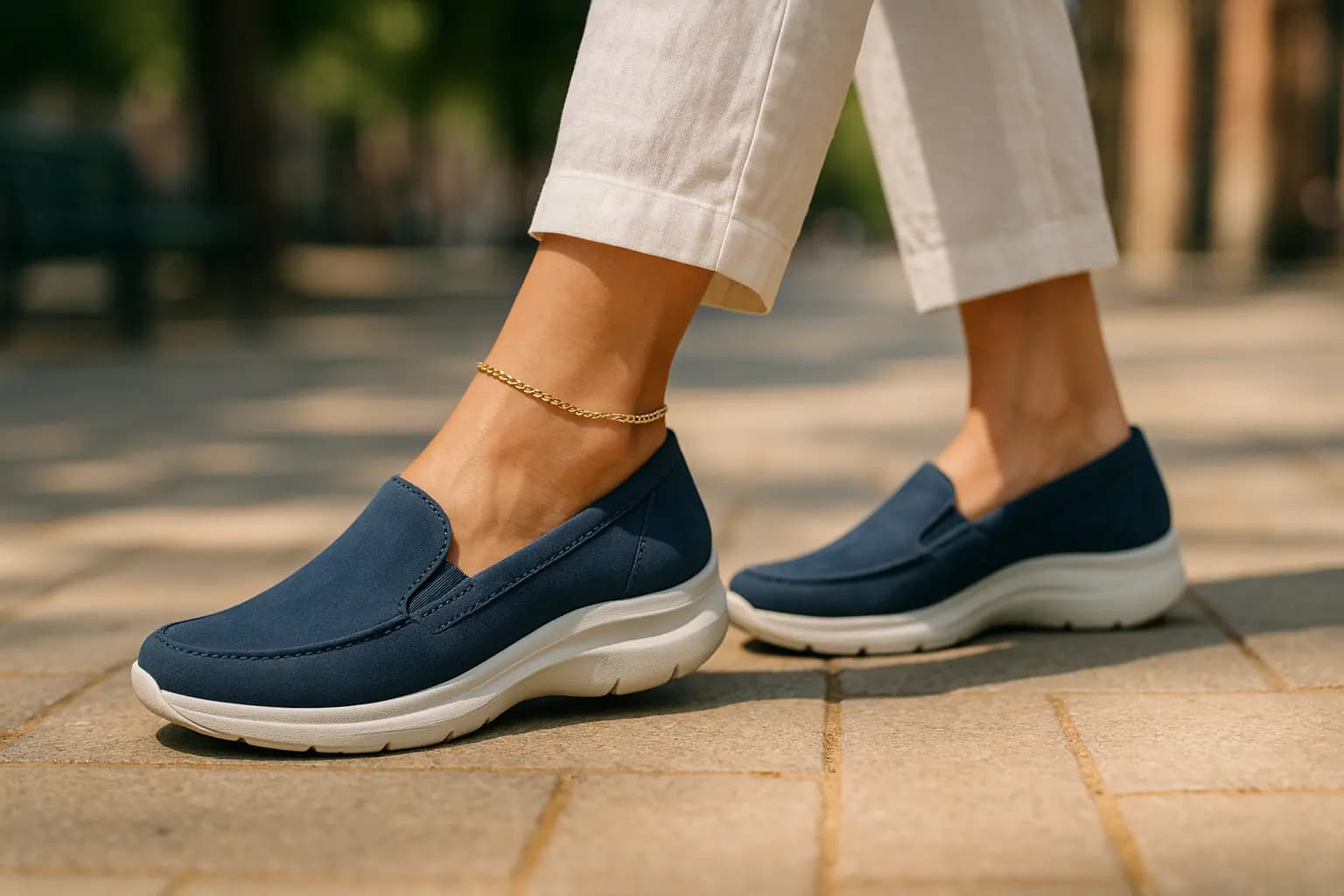
Women's feet often suffer from common conditions such as hallux valgus or hammer toes. Orthopedic shoes meet these needs by combining support with modern design, while preserving elegance. Available as sandals, sneakers or pumps, they bring together health and style.
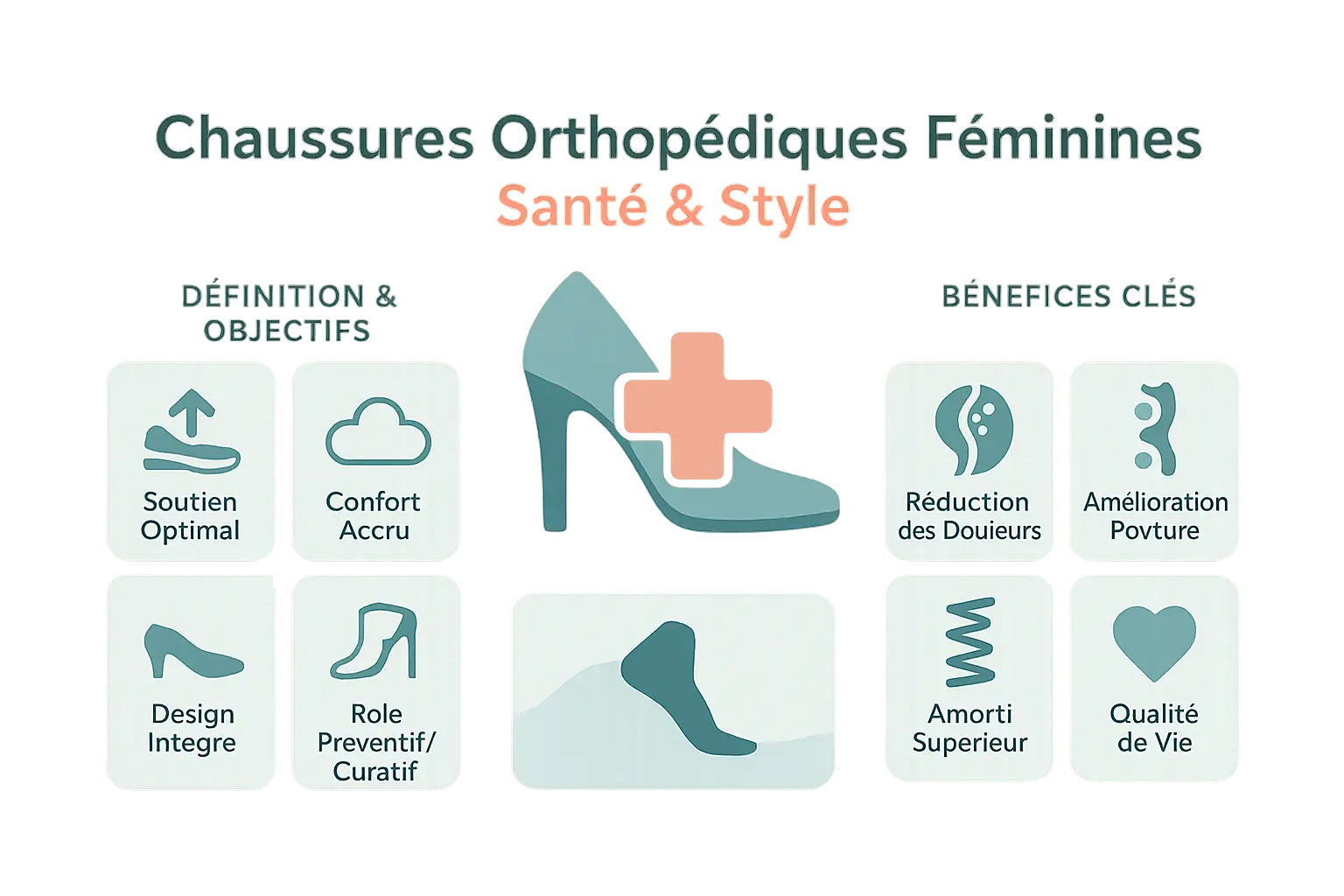
Definition and goals of women's orthopedic shoes
Designed to correct imbalances, these shoes include anatomical insoles, arch support and room for the toes. They reduce pressure points and improve body alignment. Useful for plantar fasciitis or sensitive feet linked to diabetes, they use breathable materials and up-to-date designs.
The distinctive advantages over conventional shoes
Unlike standard models, they offer:
- Reinforced cushioning: Materials like EVA foam to absorb shocks.
- Custom adaptation: Removable insoles that can hold orthotics for flat or high-arched feet.
- Added protection: Seamless linings to prevent corns and blisters.
They suit women suffering from bunions or chronic sensitivity. For people with diabetes, they limit the risk of ulcers by wicking away perspiration. Their preventive role makes them an ally in preserving mobility.
When comfort becomes a necessity: conditions and sensitive feet
Common conditions that call for adapted shoes
Orthopedic shoes for women meet specific needs linked to certain conditions or sensitivities. They help to relieve pain, prevent complications and improve quality of life. Here are the main conditions concerned:
- Hallux valgus: reduced pressure on the joint thanks to a widened fit.
- Diabetic feet: soft materials and thick insoles protect against injury and improve circulation.
- Edema: stretchy uppers or adapted openings adjust to swelling.
- Hammer toes: generous space in the forefoot and ergonomic support.
- Metatarsalgia: insoles with targeted cushioning and arch support.
- Post-surgery recovery: added protection and stability during recovery.
- Chronic foot pain: reduced rubbing and pressure thanks to flexible materials.
These models are often designed in collaboration with healthcare professionals, as shown by the approach of Podowell, which uses materials and designs validated by podiatrists.
The importance of an adapted, protective fit
For sensitive feet, a wide fit and soft materials are essential. Orthopedic models feature stretchy uppers, removable insoles and ergonomic reinforcements. These elements prevent pressure points while holding the foot in a natural position.
Orthopedic shoes are a major issue for women whose feet need specific support, combining protection with adaptation to their particular foot shape.
Their design also includes shock-absorbing systems and optimised flex zones. This limits the risk of worsening existing conditions, while making daily movement pain-free. Technical solutions, such as interchangeable insoles or adjustable closures, make these shoes suitable for a wide range of cases, from hallux valgus to post-surgery feet.
Technical features: engineering in the service of the female foot
The key technical elements for optimal comfort
Orthopedic shoes for women include solutions adapted to common conditions such as hallux valgus or diabetic feet. They meet the needs of varied foot shapes while preserving the health of the foot.
Essential technologies:
- Wide and deep fit: enough room for the toes and any deformities, reducing pressure and improving blood circulation.
- Removable insoles: room to insert orthotics for hallux valgus or hammer toes, with the option to replace them.
- Anatomical, cushioning insoles: arch support and shock absorption through materials such as memory foam.
- Foot and ankle support: enhanced stability thanks to a deep heel, preventing pain linked to instability.
- Lightness: reduced fatigue with EVA or rubber, without compromising durability.
- Adjustable closures (velcro, laces): adaptation to swollen or deformed feet thanks to modular systems.
These features limit pain linked to fragile feet and prevent long-term complications.
Materials and construction: breathability and flexibility
Soft leather reduces rubbing and ensures durability. Breathable textiles (mesh, moisture-wicking fabrics) regulate humidity, preventing infections or irritation.
Seamless linings minimise pressure points, ideal for sensitive feet. The flexibility of the materials follows natural movements, with stretchy fabrics adapted to edema or deformities without compression.
These choices improve foot hygiene and preserve its natural function thanks to innovations such as dual-density insoles or integrated non-slip soles.
A diverse range of models: combining style and function
Orthopedic shoes for women reconcile foot health and aesthetics, combining innovative technologies with elegant designs. They are aimed at women suffering from hallux valgus, hammer toes or plantar sensitivities, without sacrificing style.
Models for every season and every occasion
There are models for every season and use, with technical features designed for comfort. Here is a summary of the available options:
| Type of shoe | Orthopedic features | Suited for |
|---|---|---|
| Orthopedic sandals | Anatomical insoles, adjustable straps | Summer, feet prone to swelling |
| Orthopedic sneakers | Advanced cushioning, removable insoles | Prolonged walking, casual style |
| Orthopedic ankle boots | Ankle support, warm lining | Winter, protection against the cold |
| Closed shoes (city) | Discreet look, professional comfort | Formal occasions |
For summer, Podowell offers seasonal models with neutral colours for a discreet style, featuring adaptive insoles and a wide fit for sensitive feet.
Aesthetics at the heart of the new collections
Women no longer have to choose between well-being and style: modern orthopedic shoes combine health and elegance.
Brands like Mephisto or JB Rodde integrate orthopedic technologies (removable insoles, precise support) while offering elegant designs. Some collections, such as pumps with a patented invisible insole, combine comfort and style for special occasions. These models, inspired by international trends, prove that function and aesthetics can coexist, with fine materials and fluid lines for a timeless look.
The buying process and financial coverage
Prescription and reimbursement: the steps to follow
Orthopedic shoes for women require a prescription from a specialist doctor (orthopedist, rheumatologist, endocrinologist, podiatrist, etc.) on the official medical form for the first pair. This document, valid for 6 months, justifies the need for specific medical footwear. Renewals can be prescribed by your GP after assessment.
Reimbursement varies by size: the official base rate rises across three tiers, from the smallest sizes (under 28) to mid sizes (28 to 37) and larger sizes (above 37). Health insurance covers 60% of these amounts, the rest being covered by private cover depending on the policy (e.g. 200% of the official base rate). For patients with a recognised long-term condition, such as diabetes, the coverage can reach 100%.
A study published in Clinical Orthopaedics highlights their effectiveness: 83% of women fitted report an improvement in their quality of life after six months of use. This figure illustrates the therapeutic impact of these shoes for conditions such as hallux valgus or hammer toes.
Customisation and made-to-measure options for your feet
Two main categories exist: temporary therapeutic shoes for mild conditions (hallux valgus, edema), and permanent therapeutic shoes for chronic cases (polyarthritis, diabetic foot). Made-to-measure models require a cast of the foot and validation of a clear prototype before manufacture.
Temporary therapeutic shoes
Mild conditions (hallux valgus, edema), reimbursed at the official base rate
Permanent therapeutic shoes
Chronic cases (polyarthritis, diabetic foot), custom casting
These shoes include built-in orthopedic insoles, reinforced heels and adapted closure systems (velcro, elastic laces). Temporary therapeutic shoes suit transient conditions (post-surgery, lesions), while permanent therapeutic shoes target lasting deformities. The choice of materials (soft leather, breathable fabrics) combines function and aesthetics, essential for regular daily wear.
Choosing the right pair: advice for an informed purchase
Essential selection criteria for your orthopedic shoes
Orthopedic shoes for women must meet precise requirements to ensure comfort and support. Check these points before buying:
Essential checkpoints:
- Immediate comfort: try them on for a pain-free fit.
- Size and width: enough room for the toes.
- Stability and support: prioritise good ankle support.
- Material quality: opt for leather or breathable textile.
- Removable insole: useful if you use orthotics.
- Aesthetics: choose a design that suits your taste.
- Professional advice: consult an orthopedic technician.
Where to find your orthopedic shoes for women
Several options exist for buying orthopedic shoes for women:
-
Specialist stores: dedicated retailers offer models adapted to specific needs.
-
Pharmacies / drugstores: for personalised advice and reliable references.
Try them on at the end of the day, when the feet are slightly swollen, for a perfect fit. Comfort and precision remain your priorities.
Conclusion
Orthopedic shoes for women combine health, comfort and style, thanks to technical designs and adapted materials. Brands like Podowell offer customised models. To preserve your mobility, choose suitable shoes with the help of professionals and explore the reimbursable options. An informed choice ensures comfort and confidence in everyday life.
FAQ
Which brand should I choose for quality orthopedic shoes?
Which brand should I choose for quality orthopedic shoes?
Specialist brands like Podowell stand out as a benchmark thanks to their expertise and their work alongside healthcare professionals. Podowell, a major player since 1930, designs technical models adapted to common conditions (hallux valgus, diabetic feet, edema) while still offering elegant designs. With 349 women's models available, the brand provides made-to-measure or off-the-shelf solutions, with removable insoles, a wide fit and breathable materials for optimal comfort.
Which shoes are eligible for health insurance reimbursement?
Which shoes are eligible for health insurance reimbursement?
Only Therapeutic Footwear (temporary or permanent medical shoes) is eligible for reimbursement through health insurance. Temporary therapeutic shoes (temporary use) are reimbursed at 60% of the official base rate (with a fixed ceiling for sizes above 37). Permanent therapeutic shoes follow the same rules, with annual renewal. Non-therapeutic off-the-shelf models or those bought online without a prescription remain excluded. A medical prescription is always required.
How do you define the most comfortable shoe for sensitive feet?
How do you define the most comfortable shoe for sensitive feet?
Comfort depends on technical criteria: a wide fit (up to XXL), a removable anatomical insole, soft seamless materials, and an adjustable closure system (velcro/laces). Podowell models combine these elements with cushioning insoles and ankle support. The range of width volumes (N, L, XL, XXL) lets you match the choice to your foot shape. Immediate comfort at the fitting stage remains essential.
Which specialist brands for painful feet would you recommend?
Which specialist brands for painful feet would you recommend?
Podowell stands out for its dedicated medical range (sneakers, sandals, ankle boots) developed with podiatrists. Its 349 women's models target specific conditions: 141 models for hallux valgus, 136 for edema, 8 for diabetic feet. The collections also include post-surgery shoes and made-to-measure solutions after a foot cast. The brand combines technical expertise with modern aesthetics to meet a wide range of needs.
How do you identify the best shoes for relieving foot pain?
How do you identify the best shoes for relieving foot pain?
Effective models should include arch support (an anatomical insole), a deep fit that avoids compression, and a reinforced cushioning system. Conditions like plantar fasciitis or metatarsalgia call for specific orthopedic insoles and added stability. Brands like Podowell offer shoes adapted to these problems, available in varied volumes (L/XL) and made with breathable materials for prolonged wear without irritation.
What budget should I plan for a pair of orthopedic shoes?
What budget should I plan for a pair of orthopedic shoes?
Prices vary by type: off-the-shelf therapeutic models start at the official base rate per pair, while made-to-measure models, which are more technical, involve additional costs linked to the casting process. Reimbursement covers 60% of the official base rate through health insurance, topped up by private cover (up to 100% for patients with a recognised long-term condition). Premium aesthetic or leather versions can exceed €150 with no coverage.
Are orthopedic shoes reimbursed at 100%?
Are orthopedic shoes reimbursed at 100%?
Reimbursement at 100% applies only to patients with full-coverage schemes (low-income or long-term-condition cover) or special cases (work accidents). Health insurance generally covers 60% of the official base rate regardless of the brand. Private cover makes up the remaining balance, depending on the policy (flat amount or percentage). Requests for exceptional financial aid from the health insurance fund remain possible in case of financial hardship, subject to prior review.
Can you get a prescription for orthopedic shoes from your GP?
Can you get a prescription for orthopedic shoes from your GP?
The first prescription requires a specialist (rheumatologist, etc.), but renewals can be handled by your GP. The prescription must state the condition (hallux valgus, diabetes, etc.) and the type of shoe (temporary or permanent therapeutic footwear). Temporary therapeutic shoes often require a specialist prescription. For made-to-measure models, a postural assessment and a cast taken by an approved orthopedic technician are essential.
Is temporary therapeutic footwear reimbursable by health insurance?
Is temporary therapeutic footwear reimbursable by health insurance?
Health insurance reimburses temporary therapeutic footwear provided there is a medical prescription and the purchase is made from an approved professional. The reimbursement amounts to 60% of the official base rate (with a fixed ceiling for sizes above 37). Temporary therapeutic shoes, intended for transient conditions (edema, post-surgery), require a new prescription for each renewal. Off-the-shelf non-therapeutic models or online purchases remain excluded from the coverage system.



Loading...