
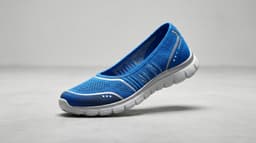

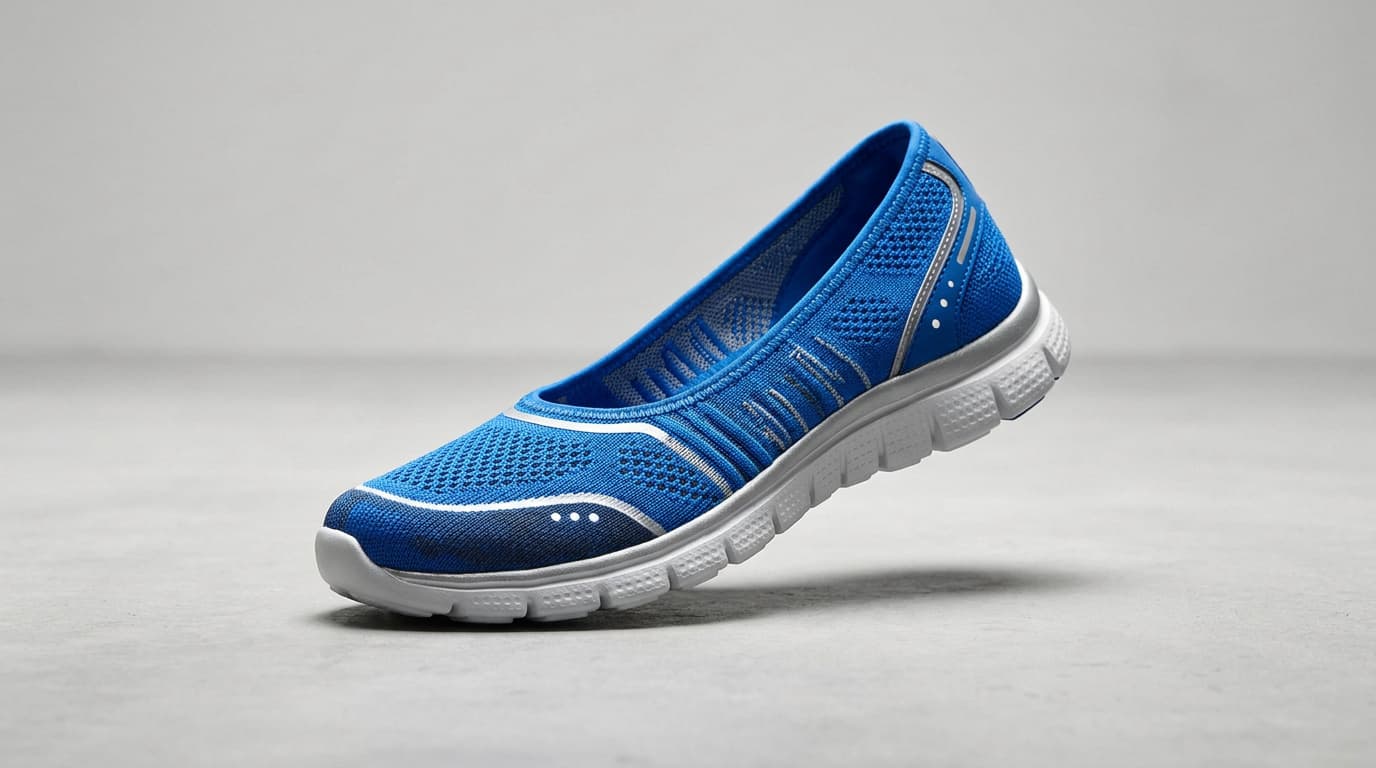
Hybrid ballet flat sneakers boost stability thanks to a grippy rubber sole and a supportive instep. This technical footwear encourages proprioception and postural alignment during fitness, while staying lightweight and durable.
The market for hybrid footwear is growing with the arrival of technical models that pair a grippy rubber sole with an elastic instep hold. These women's ballet flat sneakers optimise joint stability while encouraging precise postural alignment during fitness or strength-training sessions.
Yet wearing shoes that are too rigid, or classic dance slippers ill-suited to the gym, limits your contact with the floor and weakens your footing. We break down the features of this specific footwear to help you boost your performance in the studio.
Ballet flat sneakers: hybrid gear between dance and fitness
The hybrid ballet flat sneaker combines an ultra-flexible grippy rubber sole with an elastic instep hold. This technical footwear optimises postural alignment and ankle stability during strength training.
Moving from a classic slipper to a sport model means understanding how the structure protects your joints.
A technical shoe for postural strengthening
Joint protection rests on a snug structure that wraps the foot precisely. This specific design limits stray micro-movements at the ankle. That drastically reduces the risk of needless twists during your sessions.
Direct contact with the floor delivers the solid anchoring you need at the barre. This added stability lets you perform pliés with maximum precision, especially if you choose the right sports shoe.
The shoe follows every extension without ever constraining the arch. It naturally recruits the deep stabilising muscles. You gain strength while keeping a great freedom of movement.
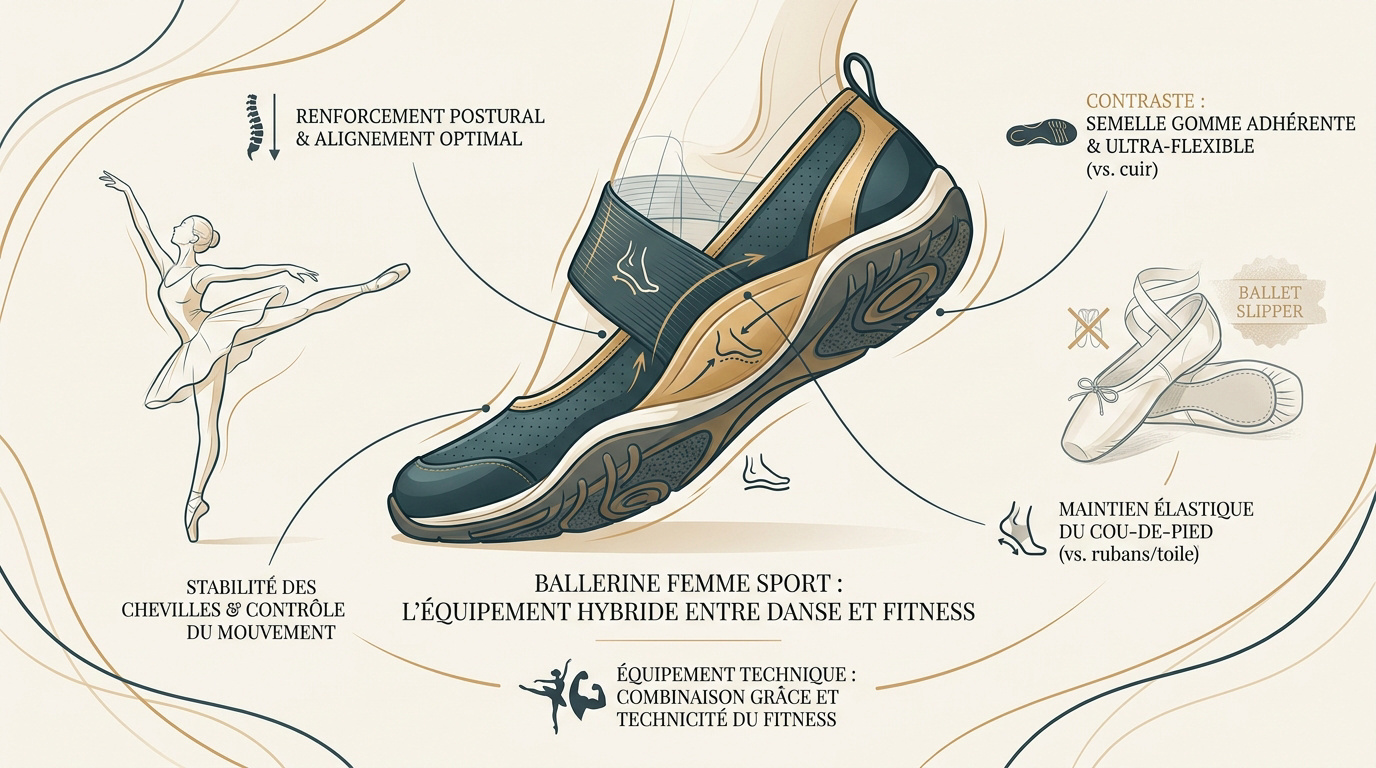
The difference between a classic dance slipper and a fitness ballet flat
The soles mark a clear divide between the two worlds. The traditional slipper uses leather or suede. The fitness model, by contrast, builds in technical polymers to absorb light impacts.
The durability of the outer materials varies with the intensity of use. Mesh or microfibre fabrics deliver superior breathability to satin. These modern components wick moisture efficiently during cardio or strength workouts.
Fitness Ballet Flat
Grippy rubber sole, breathable mesh upper, designed for abrasive fitness floors, reinforced structure for intensive practice
Classic Dance Slipper
Soft leather or suede sole, fine canvas or satin upper, designed for dance floors, total flexibility prioritised
Quick comparison:
- Sole: grippy rubber vs soft leather
- Upper: breathable mesh vs fine canvas or satin
- Use: abrasive fitness floors vs dance floors
- Durability: reinforced structure for intensive fitness
4 technical features for picking your ballet flat sneakers
But beyond style, it's the spec sheet that guarantees the performance of your footing in the studio.
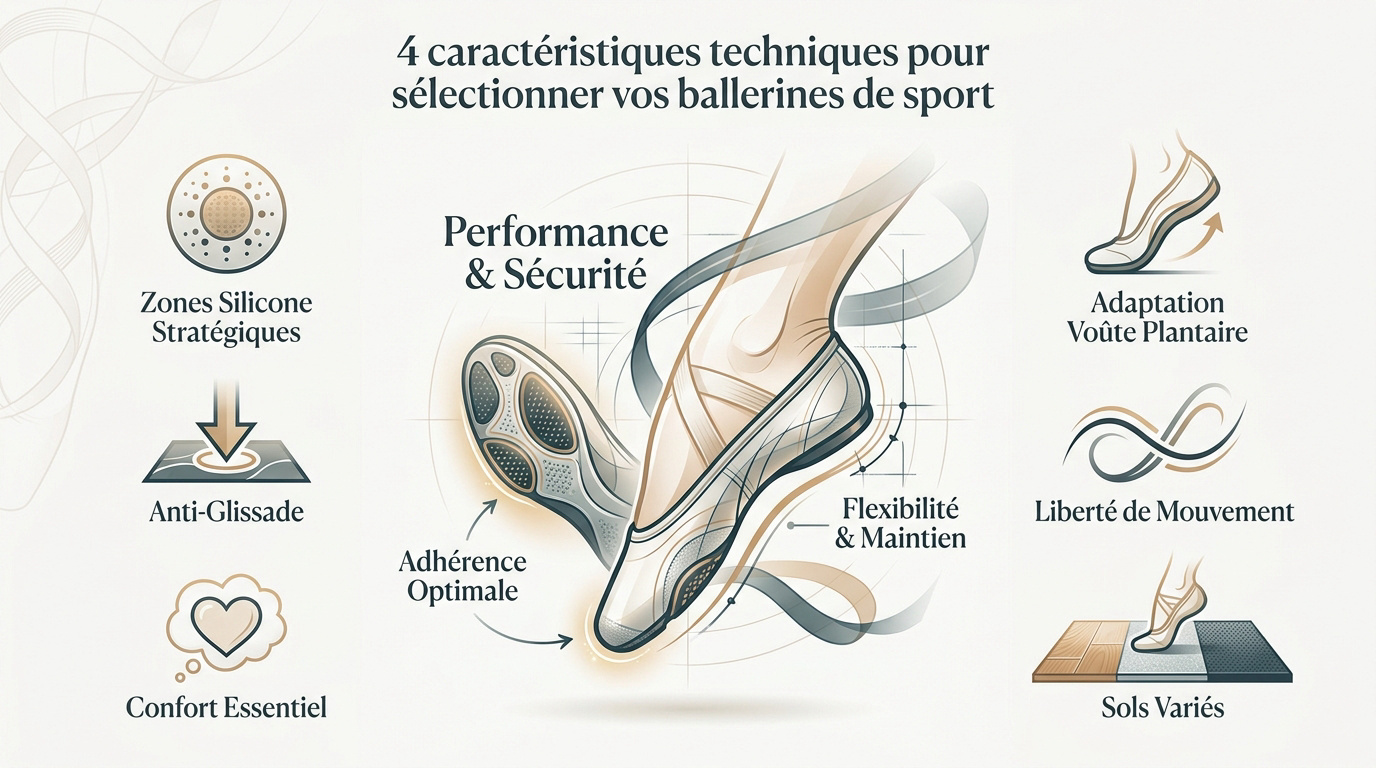
Why grip matters for safe footing
Silicone zones boost effectiveness. These strategic pressure points prevent slips. They secure your lunges and balance poses.
Grip prevents falls on wood floors or mats. It must stay selective on smooth surfaces. That lets you pivot without locking the foot. Your stability is thus guaranteed.
Good traction reinforces safety. You can then aim for maximum intensity. It's a guarantee of comfort for your daily workouts, ensuring an optimal feel.
Flexibility and arch support
The midsole defines the structure. It gives the foot light support. The whole thing stays soft without ever turning rigid.
Torsion is an essential ability. Your ballet flat must fold completely. That way it follows the natural extension of your arch.
Comparison table: Fitness Ballet Flat vs Dance Slipper:
| Criterion | Fitness Ballet Flat | Dance Slipper |
|---|---|---|
| Grip | Excellent (Silicone) | Moderate (Leather/Suede) |
| Heel cushioning | Light | Almost none |
| Breathability | High (Mesh/Cotton) | Medium (Canvas) |
| Arch support | Active support | Total flexibility |
Why adopt ballet flat sneakers for your fitness workouts?
In fact, swapping bulky trainers for ballet flats radically transforms how you perceive movement.
Better proprioception and balance
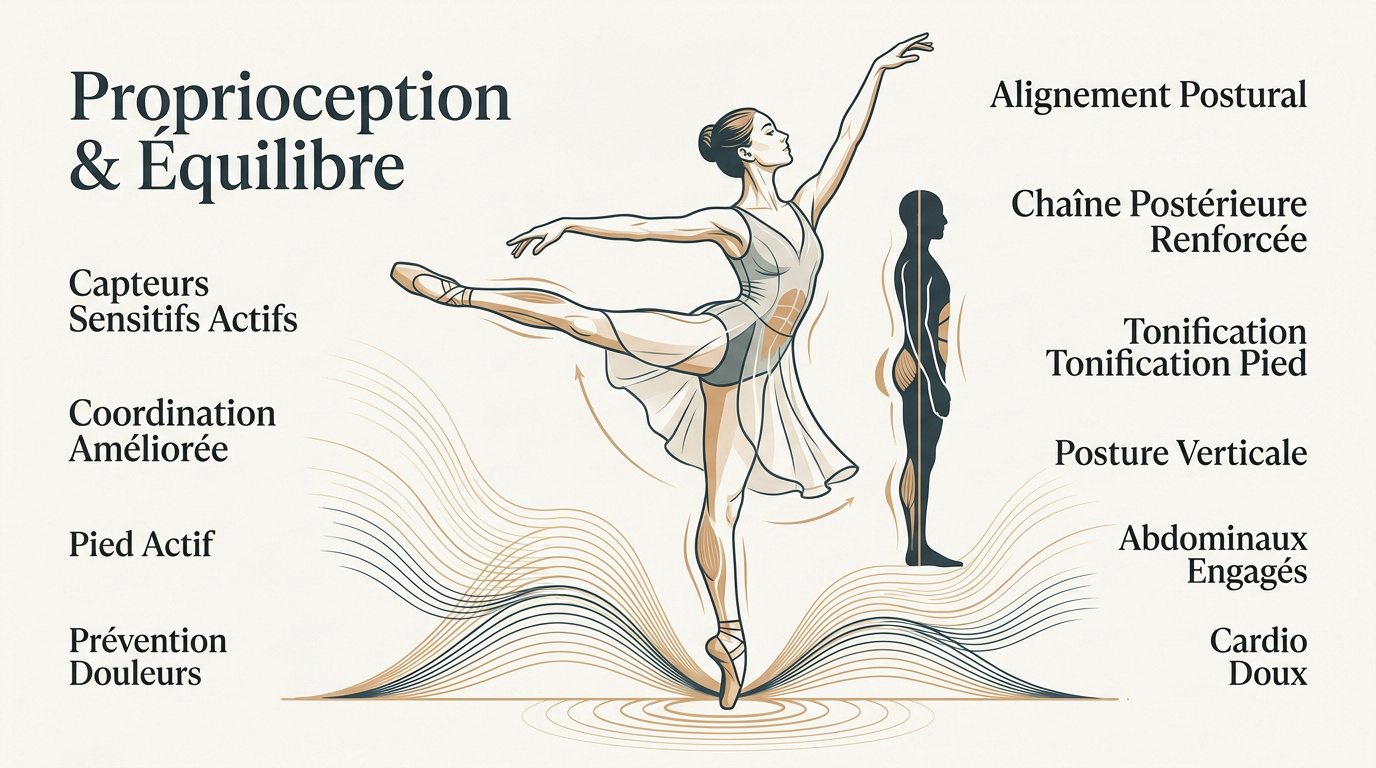
The brain processes the floor's information better. The thin sole develops your sensory receptors. Your footing then becomes more precise.
An active foot improves your responsiveness. That directly boosts motor coordination. The body reacts faster to losses of balance.
Working almost barefoot helps prevent pain. This approach echoes the benefits of shoes for foot health on the foot's overall wellbeing. The foot regains its natural function.
Deep muscle work and body alignment
Cardio intensity rises without the artificial bounce. The calves and glutes fire up intensely. The effort becomes purely muscular and authentic.
A flat stance corrects pelvic alignment. It strengthens the whole posterior chain. The body straightens naturally.
Here are the concrete benefits for your physique:
- Toning of the small foot muscles
- Improved upright posture
- Engagement of the deep abdominals
- Cardio without violent impact
Care and durability of your technical ballet flats
So here's the thing: for this investment to last, a minimum of daily care is needed.
Cleaning stretch and breathable materials
Favour a gentle hand wash for your flats. Absolutely avoid the machine, which cooks the elastic fibres. A cold, gentle cycle is the only mechanical option that's tolerated.
Manage moisture after every fitness session. Dry your ballet flats in open air. Keep them away from direct heat sources to prevent any shrinking of the textile.
Use natural antibacterial sprays regularly. This simple step preserves the longevity of the technical textiles. It's essential for the hygiene of materials in direct contact with your skin.
Spotting signs of sole wear
Watch your usual pressure points closely. If the non-slip silicone fades, grip drops. Fabric that thins under the metatarsals signals that it's time to change pairs.
Estimate lifespan based on your practice. For two weekly workouts, plan on a frequent renewal. Count on roughly six to eight months to maintain optimal support.
Never wait for a complete tear before acting. An over-worn sole compromises your stability. A degraded shoe no longer guarantees the safety you need during your fitness drills.
Wear signs to watch:
- Faded silicone zones → insufficient grip
- Thinned fabric under the metatarsals → reduced protection
- Loosened hold at the instep → compromised stability
- Indicative lifespan: 6 to 8 months for 2 weekly workouts
Adopting ballet flat sneakers optimises your posture and strengthens your deep muscles thanks to targeted technical grip. Equip yourself now with hybrid rubber or dual-sole stretch models to secure your footing. Turn every workout into a fluid, high-performing movement experience.
FAQ
Why choose a dedicated ballet flat sneaker for fitness rather than a classic dance slipper?
Why choose a dedicated ballet flat sneaker for fitness rather than a classic dance slipper?
A fitness ballet flat is a technical piece of equipment built for dynamic movement. Unlike the classic leather or satin slipper, it uses materials like breathable mesh or lycra for better sweat management. Its rubber or polymer sole delivers impact absorption and superior grip on studio and gym floors.
What are the benefits of a rubber sole for my workouts?
What are the benefits of a rubber sole for my workouts?
Grip is the main benefit. A grippy rubber sole secures your stance during lunges or balance drills, preventing slips on wood floors or mats. This strategic traction stabilises the ankle and lets you focus fully on the intensity of the muscular effort with no risk of falling.
How does a fitness ballet flat improve posture and balance?
How does a fitness ballet flat improve posture and balance?
Thanks to its thinness, this shoe stimulates proprioception by letting the brain process the floor's sensory information more accurately. This direct contact encourages better pelvic alignment and engages the deep stabilising muscles. It is an excellent way to tone the posterior chain and strengthen the arch naturally.
How do I care for my technical ballet flats to make them last?
How do I care for my technical ballet flats to make them last?
To preserve the elastic fibres and the instep support, opt for a cold, gentle-cycle wash. Drying must always be done in open air, away from any heat source, to avoid shrinking the stretch textiles. Using an antibacterial spray is recommended to keep the materials in direct skin contact hygienic.
When should I replace my fitness ballet flats?
When should I replace my fitness ballet flats?
Average lifespan is six to eight months with regular use. Watch the sole for wear: if the silicone zones fade or the fabric thins under the metatarsals, safety is no longer guaranteed. A loosened hold at the instep is also a clear signal that it's time to renew your gear.


Loading...