
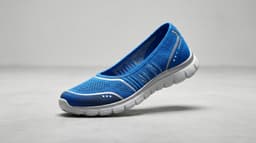


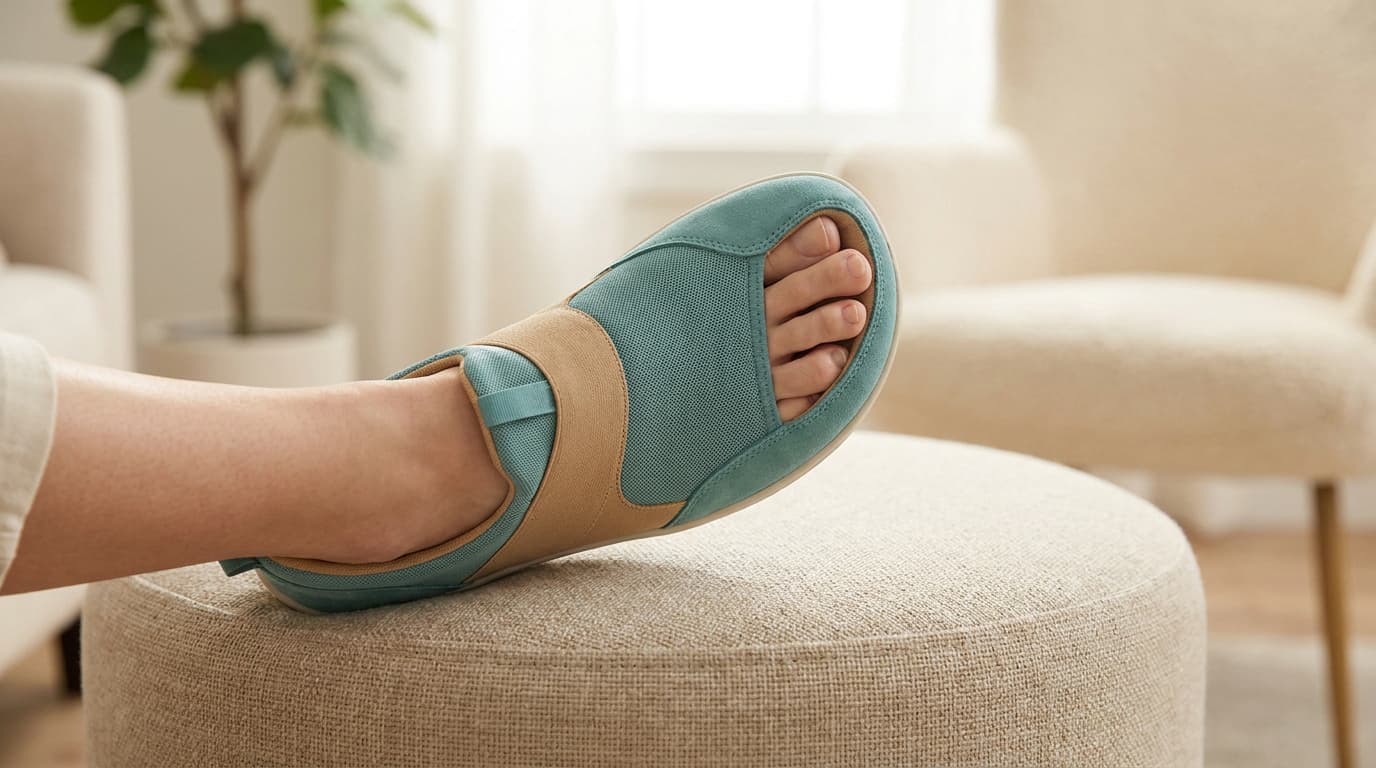
Choosing the right width (F, G, H or M) and a roomy toe box removes the compression on the bunion. This extra volume, combined with stretchy materials, reduces inflammation and steadies your posture. An H or M fit delivers the instant mechanical relief that deformed feet need, especially with a shoe designed for bunions.
Heredity is behind roughly 25% of bunion cases, a deformity that makes everyday footwear especially tricky and painful.
Wearing models that are too narrow increases the pressure on the bunion and worsens the inflammation. To walk smoothly again, choosing wide shoes for bunions is the top priority. Here is a clear rundown of the technical criteria and the stretchy materials that free up your feet right away.
👟 Why choose wide shoes for bunions?
Bunions call for a wide fit with an anatomical toe box to remove the compression on the bunion. Stretchy models in soft leather or technical mesh reduce inflammation from the very first steps, forming a barrier against rubbing.
In short, a dedicated wide fit becomes the first lever to stop the mechanical aggression on your foot.
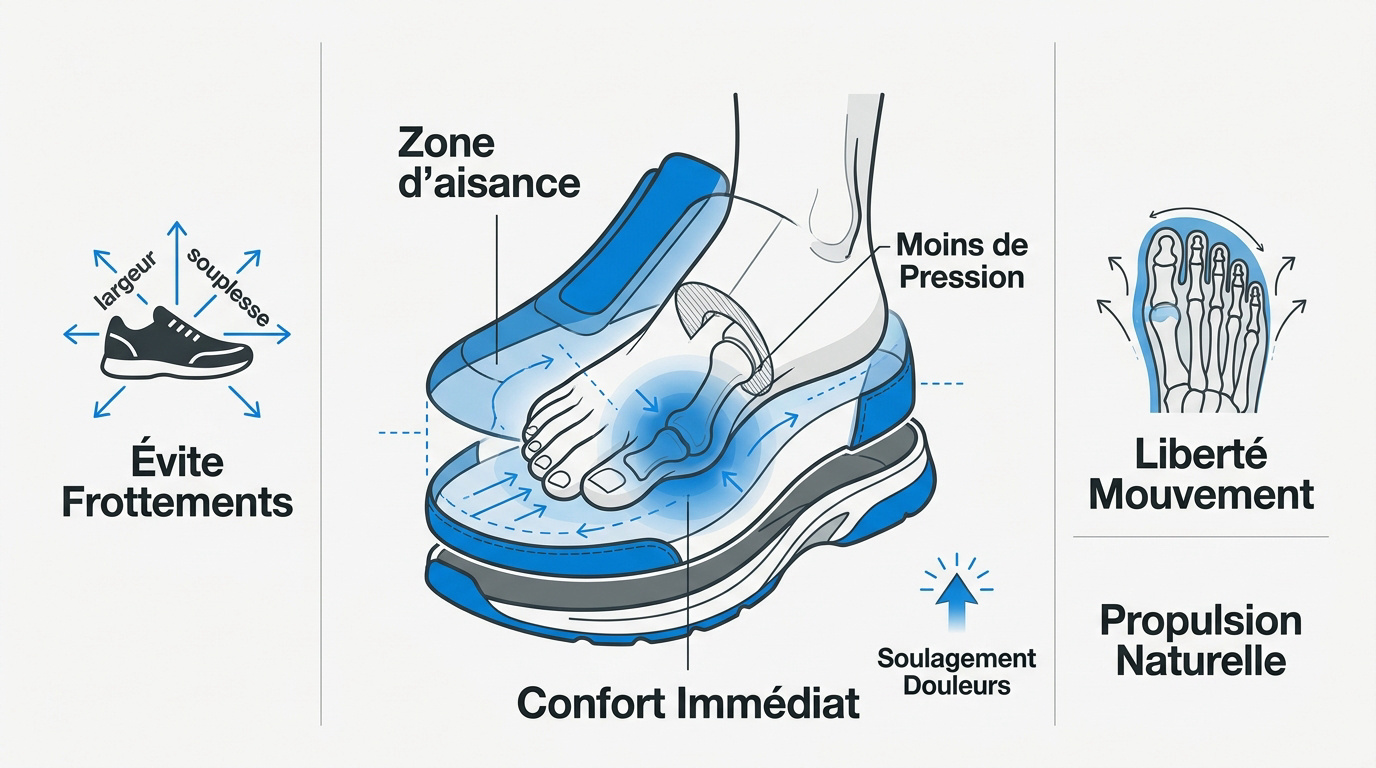
Less rubbing and less pain
The extra room is essential. It prevents any direct contact between the inner wall of the shoe and the inflamed bony bump (the exostosis). This sensitive area is no longer under constant pressure.
The mechanical relief is immediate. Less compression means less visible redness. The throbbing pain gradually eases as you walk. Your day-to-day comfort improves noticeably.
This generous volume limits severe flare-ups by protecting your foot over the long term.
Freedom of movement for your toes
The metatarsals need to spread naturally. A wide shoe gives the toes back their driving role. They finally regain an effective push-off function.
The gain in comfort is obvious during each footstrike. The foot is no longer trapped or constrained. This steadies your overall posture and makes every step more secure.
Here are the concrete benefits of a better forefoot spread:
- Better propulsion while walking.
- Greater balance on different surfaces.
- Fewer painful foot cramps.
- More natural toe alignment.
🛠️ The technical features of a suitable model
Beyond width alone, it is the very architecture of the shoe that must answer the structural demands of the deformity.
Designing an ergonomic toe box
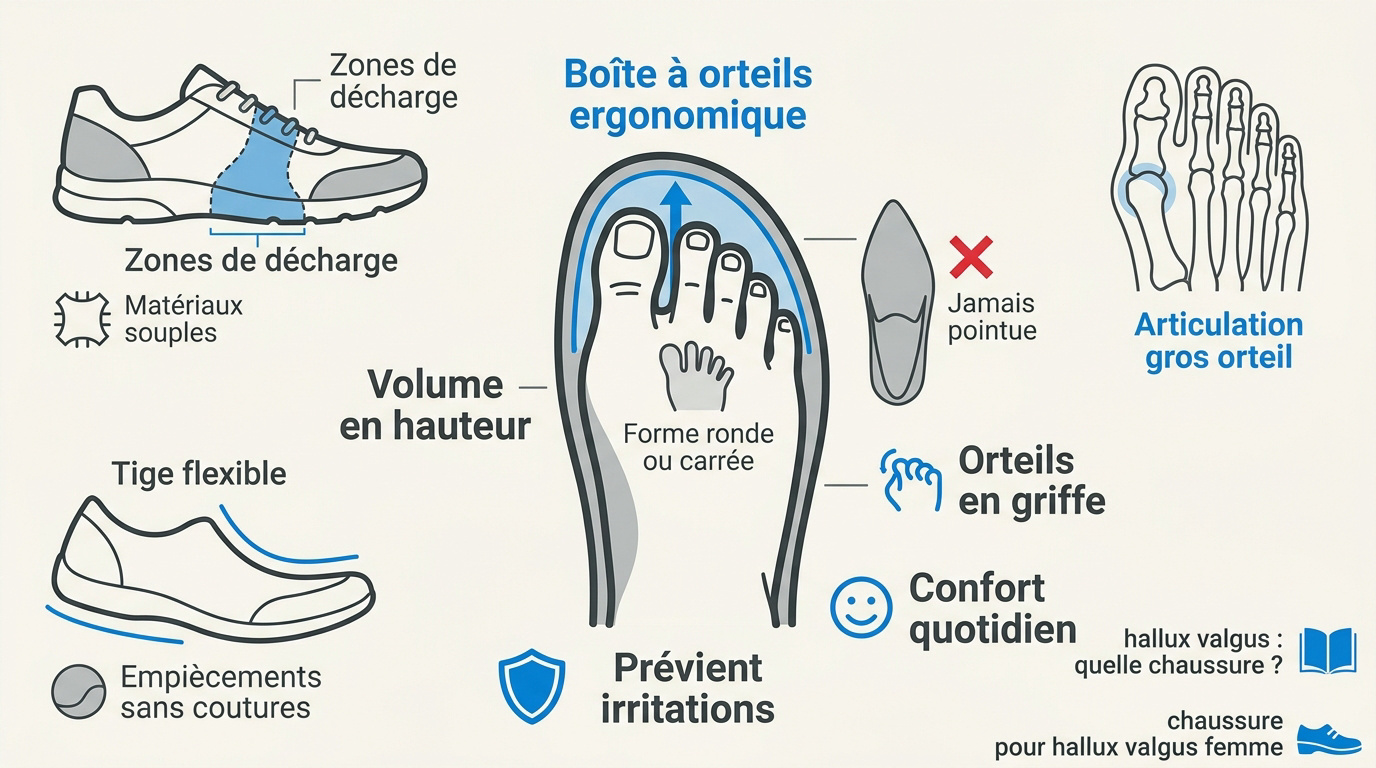
The ideal toe box has a round or square shape. It should never be pointed. This structure respects the real shape of your foot without constraining the toes.
Height clearance is just as essential. Claw toes often go hand in hand with a bunion. A high shoe ceiling therefore prevents painful rubbing.
This design guarantees your daily comfort and helps you find the right shoe for bunions with a perfect fit.
Building in stretchy pressure-relief zones
The big-toe joint is the critical friction point. This area absolutely needs soft materials. Soft leather or stretch fabrics limit the local pressure.
Favor panels with no internal seams. The absence of any ridge inside the upper is essential. This effectively prevents skin irritation, redness and recurring blisters.
A flexible upper is therefore the key to relief, as seen with a women's bunion shoe that combines style and technical design for pain-free walking.
📏 How to measure your ideal foot width
To avoid picking the wrong model, you absolutely need to know your exact measurements before buying.
Identifying the different shoe widths
Manufacturers use letters to define the internal volume. The letters F, G, H or M indicate the fit. They range from standard width to extra-wide to match every foot shape.
| Width | Foot type | Recommended use |
|---|---|---|
| F | Narrow | Slim feet only |
| G | Standard | Classic everyday comfort |
| H | Wide | Wide and sensitive feet |
| M | Extra-wide | Pronounced deformities |
Measure the circumference across the metatarsals. Use a soft tape measure. This figure defines your real need for wide shoes for bunions that fit properly.
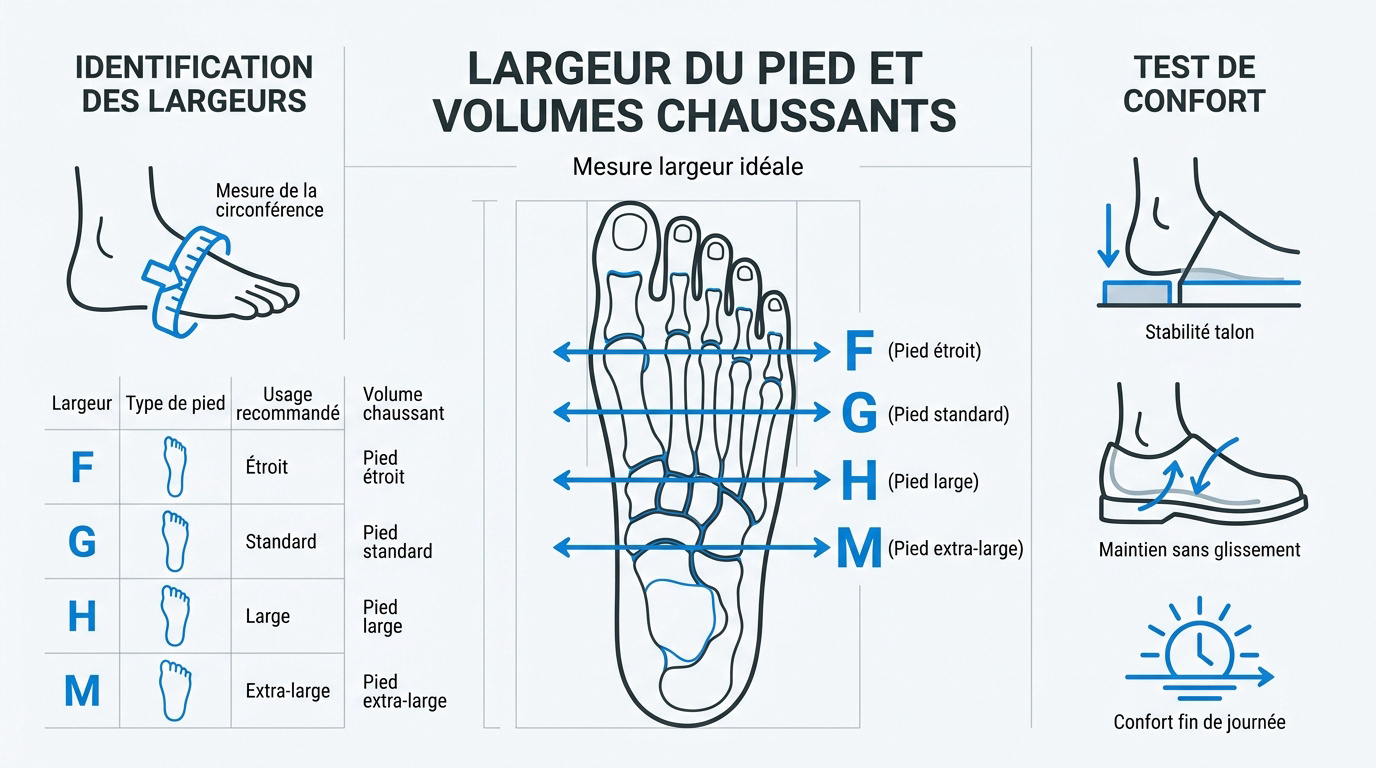
Testing comfort and heel hold
Always check the stability of the rearfoot. A shoe that is wide at the front should not slip off. The heel must stay firmly in place as you walk.
Assess the hold to prevent any internal sliding. The foot should be locked in without compression. This keeps the toes from painfully jamming into the front.
Comfort is best judged at the end of the day. That is when the foot is at its largest. This way you avoid mistakes in size or width.
☁️ The best materials to relieve a bunion
The choice of materials matters just as much as the shape to guarantee lasting relief from tension.
The benefits of soft leather and stretch textiles
Deerskin or lambskin has an incredible ability to adapt. These natural materials mold to the shape of the bunion without ever compressing it unnecessarily.
Breathability is a major comfort factor. A foot that overheats swells quickly, which increases the pressure on the bunion and reawakens the pain.
Technical meshes offer welcome stretch for sensitive feet, like this women's sport ballet flat made with ultra-light stretch textiles.
The role of drop and targeted cushioning
Effective forefoot cushioning is essential to spread out the impact. This directly relieves the metatarsal area, which is often heavily stressed by the deformity of the big toe.
Choosing a low drop or a flat sole changes everything. This structure stops your weight from sliding forward, preventing compression of the toes.
For a natural posture, look to barefoot shoes. The zero-drop concept delivers perfect alignment and instant relief.
Quick recap of the essential criteria:
- Choose an H or M width for deformed feet
- Favor a round or square toe box, never pointed
- Opt for stretchy materials (soft leather, technical mesh)
- Measure your foot at the end of the day to avoid sizing mistakes
- Prefer a low or zero drop to limit forefoot compression
Choosing wide shoes for bunions with a roomy toe box and stretch materials immediately stops painful rubbing. Measure your foot to pick the right H or M width and enjoy smooth, compression-free walking again. Free your feet now for lasting comfort and a steadier posture.
FAQ
Why choose wide shoes when you have bunions?
Why choose wide shoes when you have bunions?
A wide fit is essential to remove the pressure placed on the bunion. A roomy toe box prevents painful rubbing and lets the metatarsals spread naturally, which limits inflammation of the joint.
Which materials should you pick for bunion-friendly shoes?
Which materials should you pick for bunion-friendly shoes?
Go for soft, stretchy materials such as deerskin, lambskin or stretch textiles like technical mesh. These pliable materials mold to the shape of the deformity without compressing it, unlike rigid synthetic materials.
How do you identify the right width?
How do you identify the right width?
Refer to letter sizing systems: the H (wide) or M (extra-wide) widths are specifically designed for feet with a deformity. We recommend measuring the girth of your foot across the metatarsals to select the ideal volume.
Should you avoid high heels with bunions?
Should you avoid high heels with bunions?
Yes, it is best not to go above 2 inches (5 cm) of heel height. The ideal is zero drop (a flat sole) to ensure an even distribution of body weight and stop the foot from sliding forward, which would crush the toes.
Do wide shoes still hold the foot securely?
Do wide shoes still hold the foot securely?
Absolutely. A well-suited shoe should offer volume at the forefoot while still firmly holding the heel. This stops the foot from floating around and keeps the toes from jamming into the front of the shoe as you walk.
Can you use orthotic insoles in these models?
Can you use orthotic insoles in these models?
Most wide shoes for sensitive feet come with removable insoles. You can easily swap them for your own custom orthotics to correct your posture while still enjoying a comfortable, roomy fit.



Loading...